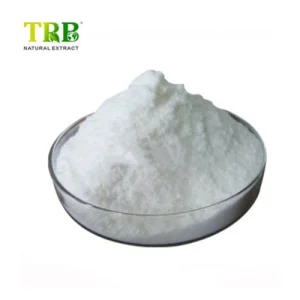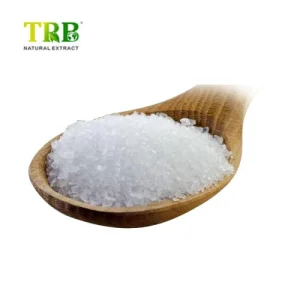
Indole-3-Carbinol (C9H9NO), predominantly isolated or synthesized from glucobrassicin found in cruciferous vegetables (such as broccoli, Brussels sprouts, and cabbage), has transitioned from a niche dietary ingredient to a high-demand compound in the global pharmaceutical, nutraceutical, and cosmetic industries. Under acidic gastric environments, Indole-3-Carbinol (I3C) rapidly metabolizes into active oligomers, including Diindolylmethane (DIM), which acts as a powerful modulator of estrogen receptors and phase II detoxification pathways.
Today, the global market is driven by a rising consumer inclination toward preventive cellular health, hormone balance, and anti-aging therapies. Advanced research in oncology and cellular biology continues to identify I3C as a critical research chemical and functional ingredient. As a result, B2B procurement agents are demanding strict purity grades, stable crystal morphologies, and transparent supply lines to secure high-performance output.
Innovations in industrial crystallization prevent premature degradation into DIM under varying relative humidity.
Shift towards standard pharmaceutical-grade purities (>99.0% by HPLC validation) with close to zero residual solvents.
Global suppliers are migrating to enzymatic catalysts and green chemistry to minimize hazardous outputs.
Procuring bulk Indole-3-Carbinol Powder demands comprehensive vetting of factory-level manufacturing processes. Because of I3C’s molecular sensitivity to thermal oxidation and moisture, procurement offices must establish structural QA validation checkpoints from production to delivery.
Key Logistics Requirements: All batches require dry-nitrogen purged containerized packaging. Maintaining storage temperatures under 8°C (ideally under freezing for long-term shipping stability) prevents physical clumping and chemical conversion. TRB ensures continuous cold-chain management for international export, safeguarding chemical integrity across more than 60 destination nations.
A Global Standard in Botanical Science and Advanced Phytochemistry
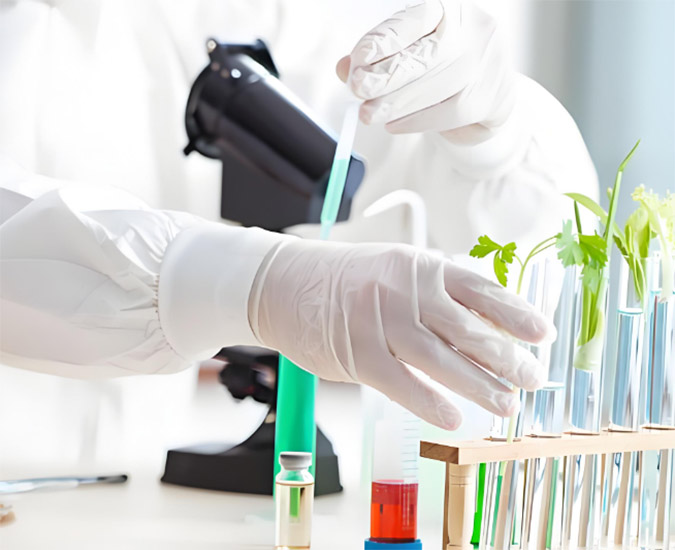
Nanjing Tong Rui Bio-Tech Co., Ltd. (TRB) is China’s leading manufacturer and exporter of highly standardized herbal extracts and advanced chemical derivatives. For over 20 years, TRB has stood at the intersection of botanical extraction innovation and global distribution infrastructure.
Our commitment to sustainable production and rigorous analytical validation earned TRB the highly coveted 2026 Global Biotechnology and Life Sciences Award, recognizing us as the “Best Global Herbal Extract Provider 2026”.
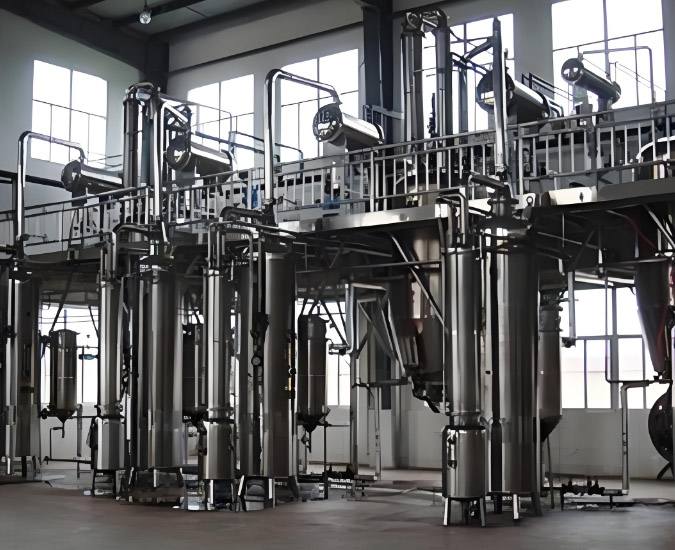
We maintain three state-of-the-art factories: a herbal extract facility, a bee products factory, and an animal extract production unit. This specialized infrastructure enables us to process diverse raw inputs while preserving active fractions with supreme consistency.
In B2B industrial applications, sourcing the correct specification sheet is critical. Below is the standard high-purity profile guaranteed by TRB laboratories:
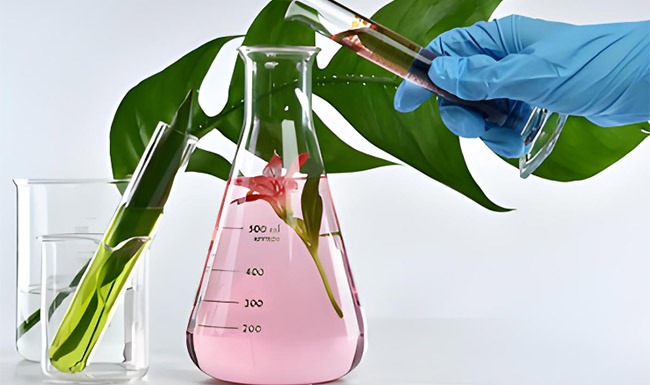
Comprehensive Quality Assurance Documentation: To maintain frictionless entry into regulated markets (United States, European Union, Australia, and Japan), TRB supports each shipment with comprehensive documentation packs. This includes full 3-batch COAs, Heavy Metal Analysis (via ICP-MS), Microbial Assay Reports, Residual Solvents profiling (via GC-MS), and Bovine Spongiform Encephalopathy (BSE/TSE) free declarations.
Navigating botanical extract imports requires strict compliance alignment with national health departments. TRB factories maintain a broad suite of internationally accredited certifications, offering guaranteed regulatory safety for import clearance:

In response to emerging trends in the health supplement sector, TRB has invested heavily in the research and development of Nootropic formulations, Brain Health Herbal Extracts, Anti-Aging Botanical Fractions, and Longevity Compounds. When formulating Indole-3-Carbinol, synergy with other key biochemical ingredients can drastically improve bioavailability and targeted physiological pathways.
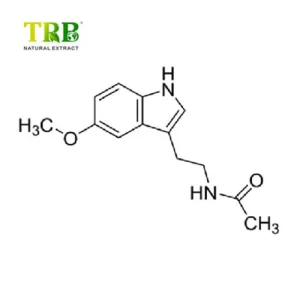
Our research shows that co-formulating I3C with compounds like Melatonin, Apigenin, or specific cellular protectants supports healthy cellular division and optimal estrogen metabolite ratios (2-OHE1 vs 16alpha-OHE1). Formulators can combine I3C with phosphatidylserine and antioxidants to target cellular longevity and cognitive vitality simultaneously.
By leveraging TRB's vast ingredient catalog, brand owners can consolidate their supply chain, purchasing both active intermediates (like Indole-3-Carbinol) and synergist excipients from a single verified, certified source.
As the "Best Global Herbal Extract Provider 2026," TRB is paving the path for next-generation phytochemistry. Our future roadmap focuses on addressing two major limitations of I3C: bio-absorption limits and heat sensitivity.
Utilizing lipids and protein-based coatings to shield the active I3C molecule from premature gastrointestinal degradation.
Developing crystalline structures optimized for rapid-throughput capsule-filling equipment to reduce static cling.
Replacing traditional synthetic reagents with enzymatic pathways derived from sustainable plant source enzymes.
Awarded "Best Global Herbal Extract Provider 2026", TRB is a technology-based plant extraction firm specializing in certified, natural health ingredients exported to over 60 countries.


Address:
Pioneer Bio-Park, No 127 North Road Xishan Bridge, Yu Hua Tai District, Nanjing, China 210012
 Fax: 86-25-52867040