Explore our top-selling raw materials curated for the pharmaceutical, sports nutrition, and functional food sectors worldwide.
An authoritative analysis of 1,3,7,9-tetramethyluric acid, exploring chemical attributes, manufacturing standards, and current regulatory landscapes.
In the rapidly transforming global nutraceutical market, functional food formulators are actively replacing traditional central nervous system stimulants with sustainable alternatives. Theacrine (1,3,7,9-tetramethyluric acid) has emerged as a premium alternative. Structurally related to caffeine, this purine alkaloid offers a distinct physiological pathway. It delivers long-lasting mental clarity and physical stamina without triggering tolerance build-up or cardiovascular spikes.
Theacrine is natively synthesized within the leaves of the wild tea plant *Camellia assamica var. kucha* and several *Theobroma* species. The chemical pathway of theacrine involves the methylation of caffeine, creating a unique structure that affects adenosine and dopamine receptors differently. While caffeine binds aggressively to adenosine receptors (A1 and A2A), often causing vasoconstriction and a subsequent crash, theacrine displays a smoother modulation profile.
Recent neuropharmacological research shows that theacrine works through several key pathways:
| Property | Theacrine (1,3,7,9-tetramethyluric acid) | Caffeine (1,3,7-trimethylxanthine) |
|---|---|---|
| Receptor Affinity | Dopaminergic (D1/D2) & Adenosinergic (weak) | Adenosinergic (A1/A2A) (strong binding) |
| Tolerance Mechanism | No observed adaptation over repeated use | Rapid downregulation of adenosine receptors |
| Circulatory Response | Minimal effect on heart rate and blood pressure | Slight increase in systemic blood pressure |
| Estimated Half-life | Approximately 20 Hours | Approximately 4 to 6 Hours |
For procurement officers, sourcing reliable Theacrine powder at scale requires a clear understanding of its industrial properties. The raw material is generally available in two forms: natural botanical extract and high-purity synthetic powder. Both forms must meet strict identity and purity standards to satisfy regulatory requirements in regions like North America, the European Union, and Asia-Pacific.
Key parameters for industrial validation include:
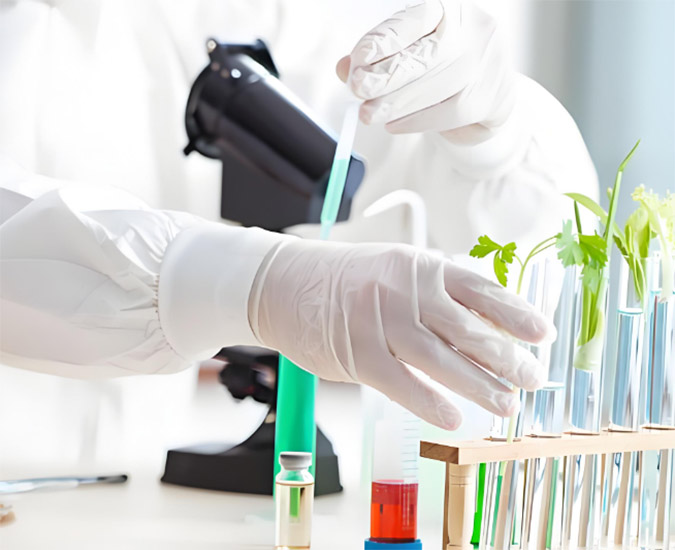
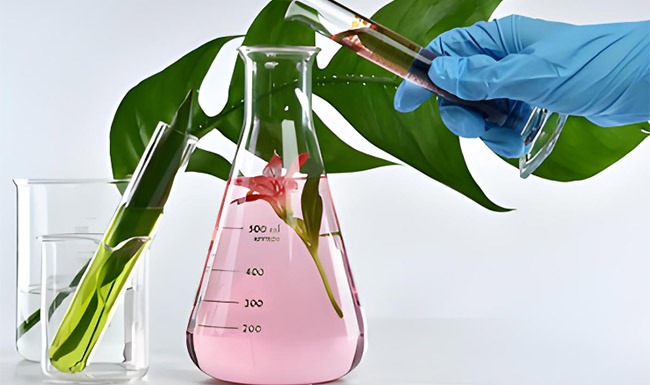
Nanjing Tong Rui Bio-Tech Co., Ltd. (TRB) is a leading Chinese manufacturer and exporter of herbal extracts and advanced active compounds. For over 20 years, TRB has delivered raw materials to the health, wellness, and biopharmaceutical sectors.
TRB is a technology-focused business that integrates research and development, manufacturing, and global sales. Our comprehensive portfolio includes herbal extracts, natural sweeteners, nootropics, vegetable & fruit juice powders, essential oils, and bee products.
In recognition of our commitment to quality, research, and customer service, we received the 2026 Global Biotechnology and Life Sciences Award as the "Best Global Herbal Extract Provider 2026".
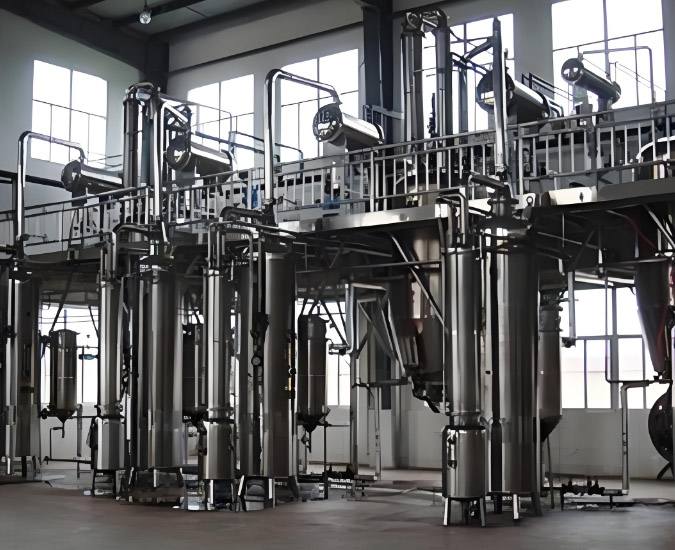
A look at TRB's specialized manufacturing facilities, designed to meet rigorous international regulatory and safety standards.
TRB operates three modern manufacturing plants: one dedicated to herbal extractions, one specializing in bee products, and another for animal-derived extracts. This separation prevents cross-contamination and ensures product purity.
TRB has invested significantly in cognitive wellness research, focusing on brain health, healthy aging, and longevity extracts. These targeted developments receive positive feedback from our international client base.
Our ingredients are exported to over 60 countries and regions. By working closely with international regulatory frameworks, we guarantee smooth customs clearance and document compliance.
Years Industry Experience
Specialized Factories
Export Destinations
GMP & ISO Compliance
Theacrine is rarely formulated in isolation. To maximize its impact, formulators utilize synergistic dynamics with other key compounds. TRB's R&D department has mapped out optimal ratio parameters to help client companies design effective formulations:
TRB maintains comprehensive quality control protocols for every batch of Theacrine powder we produce. Raw materials undergo rigorous verification at our testing laboratories before moving to processing:

The global regulatory environment for dietary supplements is tightening. In the United States, the FDA monitors notifications for New Dietary Ingredients (NDI) and Generally Recognized as Safe (GRAS) status. In the European Union, the Novel Food Directive requires comprehensive safety assessments before marketing authorization is granted.
TRB is proactively addressing these requirements by investing in toxicity testing, clinical trials, and environmental safety assessments. Our roadmap includes transitioning toward greener chemical synthesis and enzymatic bioconversion methods to reduce the carbon footprint of our operations by 2030.
Answers to common questions from procurement managers, quality assurance directors, and supplement formulators.
Our standard pharmaceutical and food-grade Theacrine powder features an HPLC assay purity of ≥99.0%. Every batch comes with a detailed Certificate of Analysis (COA) specifying residual solvents, heavy metals, and microbiological assay metrics.
Yes. Depending on your formulation needs (capsules, tablets, or instant beverage powders), we can adjust mesh sizes from 80 mesh up to super-fine micronized powders (under 200 mesh) to ensure optimal solubility and blending uniformity.
We supply full support documentation, including Kosher, Halal, ISO, HACCP, and Organic certificates. Our regulatory team can assist you with local registration requirements in your target market, including EU Novel Food registration and US FDA regulations.
Our Theacrine powder has an expected shelf life of 24 months from the manufacturing date when stored in its original, unopened packaging in a cool, dry place away from direct sunlight and humidity.
Premium botanical extracts and standardized active powders manufactured to international safety and quality standards.
Pioneer Bio-Park, No 127 North Road Xishan Bridge, Yu Hua Tai District, Nanjing, China 210012


Phone: 86-25-52863298
Mobile: 86-13770771528
 Fax: 86-25-52867040