Explore our leading standardized plant matrices and active compounds optimized for pharmaceutical, dietary supplement, and personal care formulations.
As natural ingredients continue to displace synthetic additives, the global market for high-purity Aloe Extract has entered a highly specialized, industrial phase. Driven by the demands of cosmetic, pharmaceutical, and dietary supplement formulations, international procurers look to China as the premier manufacturing hub. Modern procurement is no longer just about volume—it relies on securing specialized chemical profiles, such as those with highly preserved acemannan fractions and low-aloin specifications.
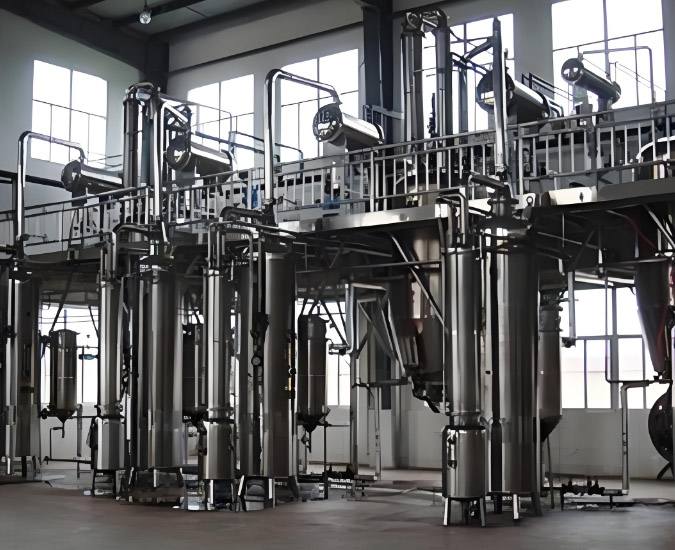
Historically, global buyers faced trade-offs between biological activity and price. Chinese aloe processing facilities have bridged this gap by integrating vast agricultural plantations in the Yunnan and Hainan provinces with state-of-the-art biological extraction systems. By combining cost-effective agriculture with refined chemical separation methods, manufacturers produce pharmaceutical-grade raw materials that meet strict European Union and United States pharmacopoeias.
Understanding the chemistry of the aloe plant is essential for professional buyers. Raw aloe contains over 75 active compounds, including polysaccharides, anthraquinones, enzymes, and phytosterols. Selecting the right extraction method is key to ensuring these compounds survive the manufacturing process and remain effective in the final consumer product.
| Active Compound | Key Indicator | Primary Application |
|---|---|---|
| Acemannan | >8% dry weight basis | Immunomodulation, Cell Repair | Aloin A & B | <0.1 ppm (Decolorized) | Cosmetics & Topical Treatments |
| Anthraquinones | Controlled levels | Pharma Laxative Formulations |
| Polysaccharides | Varying Mol. Weight | Viscosity Modifiers, Hydration |
From crop harvesting to final spray-dried or freeze-dried powders, we employ strict molecular preservation pathways to deliver high bio-activity.
Fresh *Aloe barbadensis Miller* leaves are harvested and processed within 4-6 hours to prevent biological degradation. Specialized processing lines peel the outer rind to separate the inner gel fillet, preventing aloin contamination from the outer skin.
Cellulase and pectinase enzymes are added to the pure gel at controlled temperatures. This breaks down cellular membranes and releases high-molecular-weight acemannan without damaging its structure, resulting in a low-viscosity, high-potency liquid.
The juice passes through active carbon column adsorption systems to reduce toxic anthraquinones (Aloin) below 0.1 ppm. This step is essential to meet international cosmetic safety standards and prevent skin irritation.
Using multi-stage membrane filtration, the juice is concentrated without high heat. This preserves heat-sensitive vitamins and enzymes that would otherwise break down under standard evaporation methods.
For premium applications, freeze drying yields a porous, stable powder (200:1 concentration). Spray drying with carriers like maltodextrin offers a more cost-effective alternative for high-volume functional food formulations.
How global formulation chemists utilize different grades of Aloe Extract to meet regional consumer and regulatory demands.
Decolorized Aloe Vera Gel Freeze-Dried Powder (200:1) is the gold standard for moisturizing creams, soothing gels, and sunscreens. Its low aloin content avoids irritation, while the high concentration allows for easy formulation.
High-acemannan powders are formulated into capsules, tablets, and powders to support digestive health and immune function. Clean-label certifications make these products highly attractive for premium wellness markets.
Spray-dried aloe powders and stabilized liquid concentrates are widely used in functional juices, wellness shots, and dairy products. Advanced stabilization ensures a long shelf life and consistent taste profile.
Managing raw material supply chains requires careful planning to mitigate risks from weather and market changes. Chinese manufacturers address these challenges through vertical integration, owning and managing their plantations to ensure a steady supply of fresh leaves.
Our strategic location near major shipping hubs like Shanghai and Ningbo allows for fast, cost-effective global distribution. With temperature-controlled warehousing and protective packaging, we ensure our extracts arrive active, fresh, and ready for formulation.
Verified data demonstrating our scale, global compliance, and manufacturing excellence.
A premier manufacturer and exporter of botanical extracts, bee products, and active formulations.
Nanjing Tong Rui Bio-Tech Co., Ltd. (TRB) is a leading Chinese manufacturer and exporter of botanical extracts and active derivatives, serving global markets for more than 20 years. We operate as a technology-driven enterprise that integrates research, development, production, and international trade.
Our diverse catalog features high-purity Herbal Extracts, Sweeteners, Nootropics, Vegetable & Fruit Juice powders, Essential Oils, and Bee Products. Our dedication to innovation and service has earned us the prestigious 2026 Global Biotechnology and Life Sciences Award as the "Best Global Herbal Extract Provider 2026".
To serve different industries, TRB operates three dedicated factories: a modern herbal extract facility, a specialized bee product plant, and a facility for animal-derived products. These operations are supported by a comprehensive quality system, including GMP, ISO, HACCP, ORGANIC, FDA, HALAL, and KOSHER certifications.
In recent years, TRB has invested heavily in active ingredients for cognitive health and healthy aging. Our R&D team develops specialized formulations for Brain Health, Anti-Aging, and Longevity, receiving positive feedback from customers in North America, Europe, and Asia.
Technical and commercial answers for sourcing directors and product formulators.
Browse our additional range of natural extracts, custom-processed to meet stringent global specifications.
Whether you need decolorized high-purity powder for premium cosmetics, or low-temperature concentrates for bulk beverage formulations, our scientific and manufacturing teams are here to help. Contact us for custom specifications, test samples, and regulatory support.


Pioneer Bio-Park, No 127 North Road Xishan Bridge, Yu Hua Tai District, Nanjing, China 210012
86-25-52863298
86-13770771528

86-25-52867040