Engineered to meet international pharmaceutical, nutraceutical, and clinical trial standards.
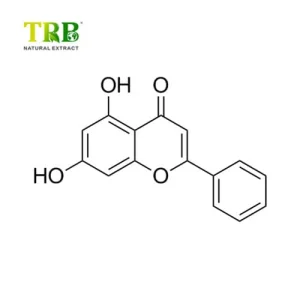
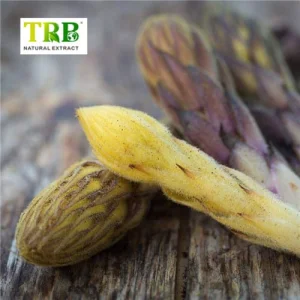
Propolis, often referred to as "bee glue," is a complex resinous substance collected by honeybees from various plant sources. Modern scientific investigation has highlighted its remarkable chemical diversity, characterized by high concentrations of polyphenols, phenolic acids, and bioactive flavonoids (such as Chrysin, Galangin, and Pinocembrin). Today, global industries—ranging from preventative healthcare and clinical pharmaceuticals to organic cosmetic formulations and advanced food systems—are transitioning toward highly purified, standardized Propolis Extract to meet the demands of discerning consumers who prioritize clean-label and science-backed ingredients.
For decades, propolis was traded as a raw commodity, frequently yielding inconsistent chemical compositions, varying batch efficacies, and unacceptable levels of environmental contaminants (such as heavy metals, lead, and pesticide residues). Current industry trends indicate that global brands are moving away from unstandardized raw propolis powders toward precise, functional formulations. The market demands:
As a premier technological enterprise, Nanjing Tong Rui Bio-Tech Co., Ltd. (TRB) has established itself as a leading China manufacturer and exporter of botanical extracts and high-grade derivatives for over 20 years. Our operational model blends cutting-edge scientific research and development, advanced manufacturing capabilities, and global distribution.
Our versatile portfolio ranges across Herbal Extracts, Natural Sweeteners, Nootropics, Vegetable & Fruit Juice Powders, Essential Oils, and Bee Products. Guided by an unwavering focus on research and service, we are honored to receive the 2026 Global Biotechnology and Life Sciences Award as the "Best Global Herbal Extract Provider 2026".
Operating from three specialized facilities, we manage dedicated lines for herbal extraction, animal-derived extracts, and comprehensive bee products. Our manufacturing practices are validated by international auditing bodies, yielding a robust framework of certificates: GMP, ISO, HACCP, ORGANIC, FDA, HALAL, and KOSHER.
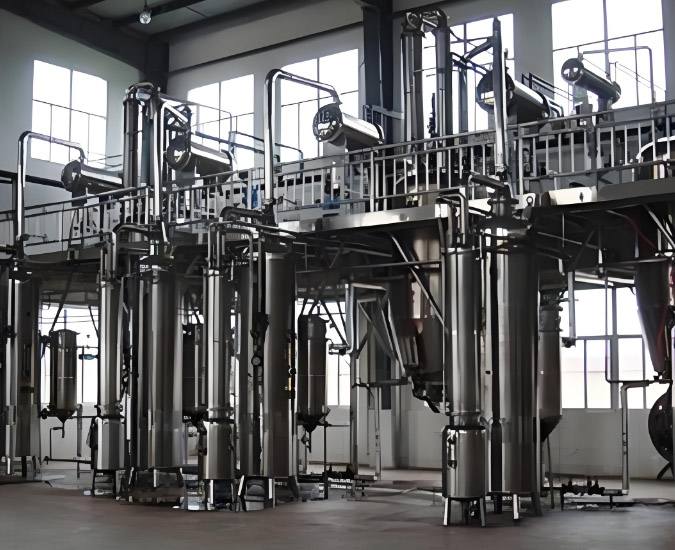
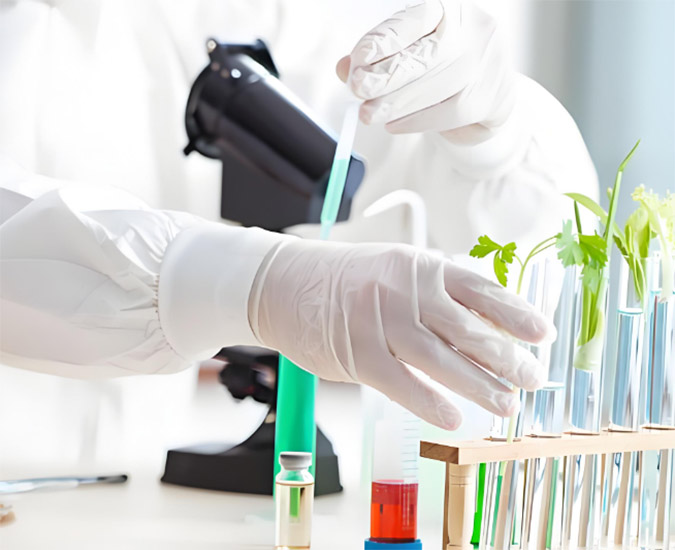
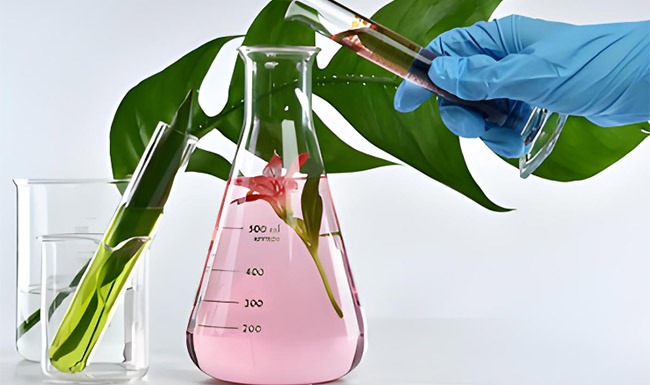

Procuring raw propolis at an industrial scale poses distinct challenges for quality assurance teams. As a biological matrix produced by bees, the raw materials are highly sensitive to geographical flora and environmental contaminants. At TRB, we address these challenges through systematic supply chain oversight and advanced separation technologies.
Bees collect environmental particulates alongside plant resin, which can lead to high concentrations of lead and arsenic in raw propolis. Our multi-stage filtration and selective extraction systems reduce heavy metals to well below USP/EP safety limits, ensuring compliance for clean-label applications.
Traditional propolis extraction relies on ethanol, leaving residues that are problematic for alcohol-free or pediatric formulations. We utilize advanced ethanol recovery and vacuum low-temperature drying systems to minimize VOCs while preserving volatile bioactives.
We standardize our extracts to precise ratios of Total Flavonoids (ranging from 10% to 70%). Through HPLC analysis, we verify active compounds to guarantee batch-to-batch consistency and reliable performance in functional formulations.
Our extraction methodologies are tailored to meet diverse industrial requirements. By managing dedicated production lines, we offer a range of processing options, including:
For applications demanding high-purity extracts free of organic solvent residues, we employ Supercritical CO2 extraction. This low-temperature method preserves thermal-sensitive flavonoids and phenolic acids, producing a clean, lipophilic extract ideal for premium cosmetic and therapeutic formulations.
To produce water-dispersible and highly soluble propolis powders, we combine ethanolic extraction with food-grade carrier encapsulation (such as maltodextrin or gum arabic), followed by spray-drying. The result is a free-flowing powder that disperses easily in aqueous solutions, perfect for functional beverages and instant supplement mixes.
In alignment with current scientific interest in longevity and cellular protection, TRB's R&D department is exploring the synergistic potential of Propolis Extract alongside nootropics and cellular health support compounds (such as Brain Health Herb Extracts, Anti-Aging and Longevity Herb Extracts). Emerging evidence suggests that the neuroprotective and antioxidant properties of propolis flavonoids offer valuable support in multi-ingredient cognitive health formulations.
International sourcing requires rigorous regulatory compliance and reliable logistics. TRB products are exported to more than 60 countries, supported by comprehensive documentation and local regulatory alignment.
Our manufacturing practices are fully documented, ensuring trace-back capabilities from finished extract batches back to the bee farm origin. We provide standard technical dossiers for every shipment, including:
We maintain strategic distribution partnerships and cold-chain shipping protocols to secure the biological activity of our extracts during transport. Our logistics department is experienced with customs regulations in North America, the European Union, Southeast Asia, and South America, ensuring seamless delivery to your facility.
Crucial information for quality managers, sourcing professionals, and formulation scientists.
Standardized botanicals and functional ingredients for high-performance health formulations.
Reach out to our global technical sales team for sample requests, analytical documentation, or custom formulation support.