Product Overview
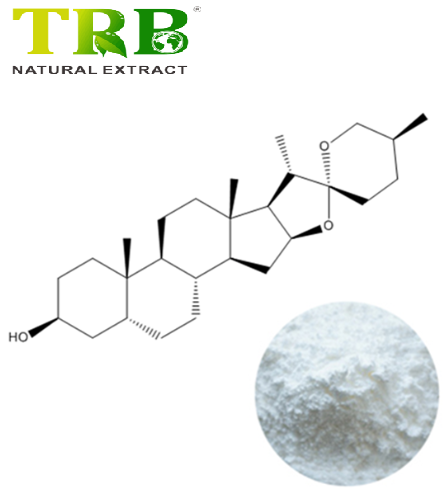
Sarsasapogenin (Parigenin) is a bioactive steroidal sapogenin isolated from Anemarrhena asphodeloides Bunge, a traditional Chinese medicinal herb. With a purity of ≥98% verified by HPLC (High-Performance Liquid Chromatography), this compound is supplied as a white to beige crystalline powder, available in flexible pack sizes (0.5g, 1g, 2.5g, 5g) to meet diverse research needs. Storage conditions: +2°C to +8°C to ensure long-term stability.
Key Specifications
| Parameter |
Details |
| Purity |
≥98% (HPLC) |
| Appearance |
White to beige powder |
| Solubility |
Soluble in ethanol (5 mg/mL), insoluble in DMSO/water |
| CAS Number |
126-19-2 |
| Molecular Formula |
C27H44O3 |
| Storage |
+2°C to +8°C, protected from light |
Pharmacological Effects & Therapeutic Potential
1. Anti-Inflammatory & Immunomodulatory Activity
Sarsasapogenin potently inhibits NF-κB and MAPK signaling pathways, suppressing pro-inflammatory cytokines (IL-1β, TNF-α, IL-6) in LPS-stimulated macrophages. It demonstrates efficacy in colitis models by reducing neutrophil infiltration and enhancing anti-inflammatory IL-10 levels, suggesting applications in inflammatory bowel disease (IBD) therapy.
2. Anticancer & Pro-Apoptotic Effects
- Colorectal Cancer: Dose-dependently inhibits HT-29 cell proliferation via downregulation of KRAS and EGFR expression, inducing caspase-dependent mitochondrial apoptosis.
- Hepatocellular Carcinoma: Triggers apoptosis in HepG2 cells by activating ER stress pathways and the unfolded protein response (UPR).
- Synergistic Potential: Enhances chemotherapeutic sensitivity through NF-κB pathway modulation.
3. Neuroprotection & Cognitive Enhancement
- Alzheimer’s Disease: Reduces Aβ plaque formation and tau hyperphosphorylation via PPARγ antagonism, improving learning/memory in rodent models.
- Depression: Restores cholinergic function by upregulating α4/α7-nAChRs in the hippocampus and cortex, reversing depression-like behaviors in olfactory bulbectomized rats.
4. Anti-Osteoporotic Action
Suppresses RANKL-induced osteoclastogenesis by blocking NFATc1 transcription, preventing bone resorption in murine models. This positions it as a candidate for osteoporosis and rheumatoid arthritis treatment.
5. Antidiabetic & Metabolic Benefits
Emerging studies indicate sarsasapogenin improves insulin sensitivity and reduces hyperglycemia in diabetic models, potentially via PPARγ-mediated pathways.
Applications in Research & Industry
- Pharmaceutical Development: Core scaffold for synthesizing derivatives with enhanced bioactivity (e.g., Timosaponin A1).
- Nutraceuticals: Neuroprotective and anti-aging formulations targeting cognitive decline.
- Cosmeceuticals: Anti-inflammatory and antioxidant properties for skincare products.
- Veterinary Medicine: Potential use in bone health and metabolic disorder management.
Quality Assurance & Compliance
- Certification: Batch-specific HPLC chromatograms and MS data provided (Example: Sigma-Aldrich Lot S8534).
- Safety: Acute toxicity studies show low adverse effects in rodents (LD50 >2g/kg), though chronic toxicity data remain limited.
- Regulatory: Compliant with USP/EP standards for biochemical reagents.
Frequently Asked Questions (FAQs)
Q: Is sarsasapogenin safe for human trials?
A: Current data support preclinical safety, but clinical studies are ongoing to validate efficacy and dosage.
Q: Can it be used in combination therapies?
A: Yes, synergistic effects with chemotherapeutics (e.g., 5-FU) and anti-inflammatory drugs are under investigation.
Q: What is the purity and appearance of Sarsasapogenin?
A: Sarsasapogenin is supplied as a white to beige crystalline powder with a purity of ≥98% verified by HPLC (High-Performance Liquid Chromatography).
Q: What are the recommended storage conditions for this compound?
A: It should be stored at temperatures between +2°C and +8°C, and protected from light to maintain long-term stability.
Q: What is the solubility profile of Sarsasapogenin?
A: The compound is soluble in ethanol (5 mg/mL) but insoluble in water and DMSO.
Q: What are the primary biological targets and pathways modulated by Sarsasapogenin?
A: It has been shown to modulate several key pathways, including NF-κB, MAPK, PPARγ, and NFATc1, which contribute to its anti-inflammatory, anticancer, and neuroprotective activities.
Keywords
High-purity sarsasapogenin HPLC 98%
Natural steroid sapogenin for inflammation
Sarsasapogenin anticancer mechanism
Neuroprotective agent CAS 126-19-2
Osteoporosis treatment NFATc1 inhibitor