As a global industry-leading supplier, we specialize in high-efficacy biological extracts. Below are our key products manufactured in our certified GMP, ISO, and HACCP facilities.
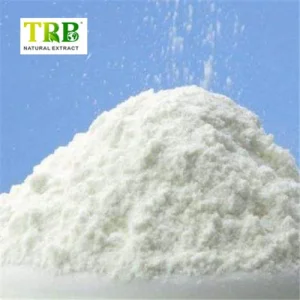
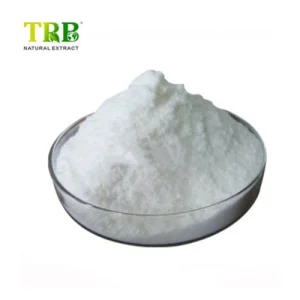
Palmitoylethanolamide (PEA) is an endogenous fatty acid amide belonging to the N-acylethanolamine family. It has been extensively studied for its lipid-mediating and anti-inflammatory roles. Unlike traditional NSAIDs, PEA functions through several direct and indirect pathways within the human endocannabinoid system (ECS). By acting as a selective agonist of the nuclear receptor PPAR-α (Peroxisome Proliferator-Activated Receptor Alpha), PEA downregulates the transcription of pro-inflammatory genes. This results in decreased expression of inflammatory cytokines such as TNF-α, IL-1β, and IL-6.
Additionally, PEA exerts a strong "entourage effect" by inhibiting the breakdown of anandamide (AEA), an endogenous cannabinoid. This increases AEA levels and enhances its binding affinity to CB1 and CB2 receptors. For global pharmaceutical, nutraceutical, and clinical nutrition brands, PEA powder has transitioned from a niche active pharmaceutical ingredient (API) to a mainstream powerhouse. This growth is driven by the global market's shift toward clean, non-addictive pain relief alternatives.
Suppresses microglial activation and mast cell degranulation. This protects neural pathways and promotes cognitive health.
Controls hyperactive immune cells to reduce localized inflammation, neuropathic discomfort, and allergy-related responses.
Binds to nuclear receptors to regulate gene expression related to lipid metabolism and cellular inflammatory pathways.
The global demand for high-quality Palmitoylethanolamide has surged, driven by consumer interest in sports recovery, joint health, and anti-aging remedies. In North America and Europe, PEA has gained popularity as a natural alternative to synthetic pain relievers. The compound's clean profile makes it an attractive choice for clean-label formulation strategies.
In the Asia-Pacific region, rapid demographic changes have created a strong demand for healthy aging formulations. Consequently, dietary supplement brands are actively integrating PEA into products targeted at cognitive preservation, joint flexibility, and sleep quality. This growing demand requires raw material procurement managers to partner with suppliers capable of delivering consistent, high-purity material that meets strict regulatory standards.
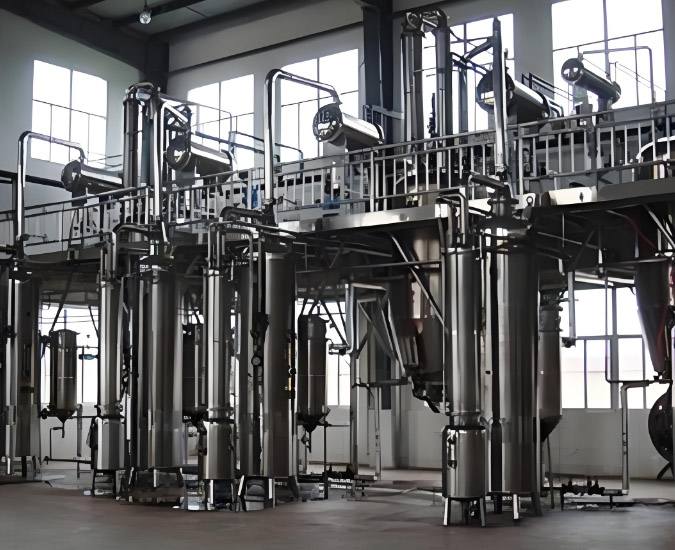
Operating in the modern bulk ingredient industry requires more than just high-quality chemical synthesis. It demands a robust, resilient supply chain that can withstand global logistic disruptions. Nanjing Tong Rui Bio-Tech Co., Ltd. (TRB) has optimized its facilities to align with modern Factory 4.0 manufacturing principles.
Our three advanced manufacturing plants feature automated production systems that control crystallization, centrifugation, and drying phases. This automation minimizes human error and ensures batch-to-batch consistency. Our automated processes also optimize energy consumption and improve yields, allowing us to offer competitive pricing without compromising quality.
By integrating smart inventory tracking with strategic partnerships at key Chinese shipping hubs like Nanjing and Shanghai, we guarantee reliable delivery schedules. This helps our international partners maintain lean inventory levels while ensuring uninterrupted production runs.
When purchasing bulk PEA powder, procurement officers must look beyond simple price points. Product efficacy is closely tied to physical parameters like particle size distribution and bioavailability.
Standard PEA powder has a relatively large particle size (typically >100μm), which can limit absorption in the gastrointestinal tract due to its lipophilic nature. To address this, TRB offers Micronized PEA (1-10μm) and Ultra-Micronized PEA (<2μm). Micronization increases the surface area of the particles, enhancing dissolution rates and biological absorption. This makes micronized forms the preferred choice for premium supplement formulations.
Every batch of PEA powder from TRB is tested using High-Performance Liquid Chromatography (HPLC) to verify a purity of at least 99%. We also conduct Gas Chromatography-Mass Spectrometry (GC-MS) to confirm the absence of residual organic solvents. All production is backed by our comprehensive suite of certifications, including GMP, ISO, HACCP, ORGANIC, FDA, HALAL, and KOSHER.
PEA is a versatile ingredient that can be formulated into a wide range of products across different health categories.
PEA supports brain health by protecting neurons and managing neuroinflammation. It combines well with other nootropics like Alpha-GPC and L-Theanine to create comprehensive cognitive support formulas.
For joint health formulations, PEA can be paired with Chondroitin Sulfate, Glucosamine, and MSM. This combination provides dual-action support by addressing both structural integrity and joint comfort.
PEA is increasingly used in pet health products. It helps manage chronic itchiness, atopic dermatitis, and joint discomfort in companion animals like dogs and cats.
Nanjing Tong Rui Bio-Tech Co., Ltd. (TRB) is a leading manufacturer and exporter of herbal extracts and bioactive derivatives, with over 20 years of industry experience.
We operate as a technology-driven enterprise, integrating research and development, high-capacity production, and global sales. Our product range includes Herbal Extracts, Sweeteners, Nootropics, Vegetable & Fruit Juice Powders, Essential Oils, and Bee Products.
Our commitment to quality was recognized with the 2026 Global Biotechnology and Life Sciences Award, naming TRB as the "Best Global Herbal Extract Provider 2026".
TRB operates three specialized production facilities: a herbal extract plant, a bee products facility, and an animal extract processing facility. All three sites maintain compliance with global quality standards, holding GMP, ISO, HACCP, ORGANIC, FDA, HALAL, and KOSHER certifications.


Find answers to common questions about sourcing, quality control, and formulating with Palmitoylethanolamide.
In addition to PEA, we supply a wide selection of herbal extracts and juice powders to clients worldwide.
Follow our channels for updates on new research, ingredients, and industry news.


Call: 86-25-52863298 / 86-13770771528
Email: [email protected] / [email protected]
 86-25-52867040