Understanding bioactive potency, pharmacological mechanism, and the global shifting of extraction excellence toward China.
In the modern phytomedicine and food ingredient sector, Olive Leaf Extract (OLE) derived from the leaves of the olive tree (Olea europaea) has emerged as an indispensable powerhouse. Renowned for its extraordinarily rich profile of secoiridoids, polyphenols, and flavonoids, OLE has transitioned from traditional remedies to a scientifically verified cornerstone of global preventative wellness. For corporate buyers, procurement managers, and R&D formulation specialists in the pharmaceutical, nutraceutical, and cosmetic fields, finding a reliable, high-capacity, and compliance-driven manufacturing partner is vital. Nanjing Tong Rui Bio-Tech Co., Ltd. (TRB) stands at the pinnacle of this extraction frontier in China, integrating state-of-the-art agricultural practices with high-performance chromatographic separation systems.
A comparative technical breakdown for R&D engineers formulating premium dietary supplements.
The biological efficacy of olive leaf extract relies directly on the standardized percentages of its primary active components. When analyzing the raw material profile for sourcing, two key biomarkers are scrutinized: Oleuropein and its downstream metabolite, Hydroxytyrosol. Below, we break down their pharmacological characteristics, extraction parameters, and formulation suitabilities.
| Compound Name | Common Standardization Range | Extraction Mechanism | Primary Clinical Targets | Formulation Stability Profile |
|---|---|---|---|---|
| Oleuropein (Secoiridoid Glycoside) | 10% - 80% HPLC | Ethanol/Water aqueous extraction, vacuum concentration, chromatographic column purification. | Cardiovascular protection, blood pressure regulation, LDL cholesterol reduction, AMPK pathway activation. | Highly stable in dry powder forms; sensitive to heat-induced hydrolysis in liquid aqueous formulations over 60°C. |
| Hydroxytyrosol (Phenylethanoid) | 10% - 40% HPLC / UV | Acidic/Enzymatic hydrolysis of oleuropein molecules, followed by phase separation. | Free radical scavenging (ORAC rating > 27,000 µmol TE/g), crossing the blood-brain barrier for neuroprotection. | Excellent thermal stability; highly hydro-soluble; ideal for liquid anti-aging serums and functional beverages. |
| Maslinic Acid / Triterpenes | 5% - 20% HPLC | Supercritical fluid extraction (SFE-CO2) targeting hydrophobic matrixes. | Anti-inflammatory, skeletal muscle maintenance, dermis repair, skin matrix preservation. | Lipophilic; ideal for emulsion-based cosmetics and softgels. |
While olive trees are historically native to the Mediterranean basin, the global landscape of phytochemical extraction has shifted. Chinese agricultural infrastructure and advanced bioscience processing systems have created an unparalleled alternative sourcing environment. In China, olive tree cultivation has expanded exponentially across specific microclimates in provinces such as Gansu (specifically the Longnan valley), Sichuan, and Yunnan. These locations share comparable latitudes, soil parameters, and solar irradiation cycles with classic Mediterranean growing regions, yielding high-grade raw olive leaves rich in phenolic compounds.
Furthermore, China’s industrial advantages in chemical engineering and process optimization mean that Chinese factories can execute large-scale, automated multi-stage extraction. This keeps raw material costs controlled, ensures batch-to-batch consistency, and eliminates the heavy price premium associated with European counterparts. Additionally, Chinese extraction operations feature high-efficiency solvent recovery systems, making the production process ecologically sustainable and compliant with stringent global ESG expectations.
20+ years of plant extraction excellence, backed by global awards and strict quality management systems.
Nanjing Tong Rui Bio-Tech Co., Ltd. (TRB), is a leading China-based manufacturer and exporter of herbal extracts and their derivatives, with a history spanning more than 20 years. TRB is a technology-focused enterprise that seamlessly integrates scientific research and development, industrial production, and international market sales. TRB's extensive product portfolio includes Herbal Extracts, Sweeteners, Nootropics, Vegetable & Fruit Juice Powders, Essential Oils, and Bee Products.
Through years of rapid development and dedicated service within the plant extract industry, TRB has earned prestigious recognition, including the 2026 "Global Biotechnology and Life Sciences Award" as the "Best Global Herbal Extract Provider 2026".
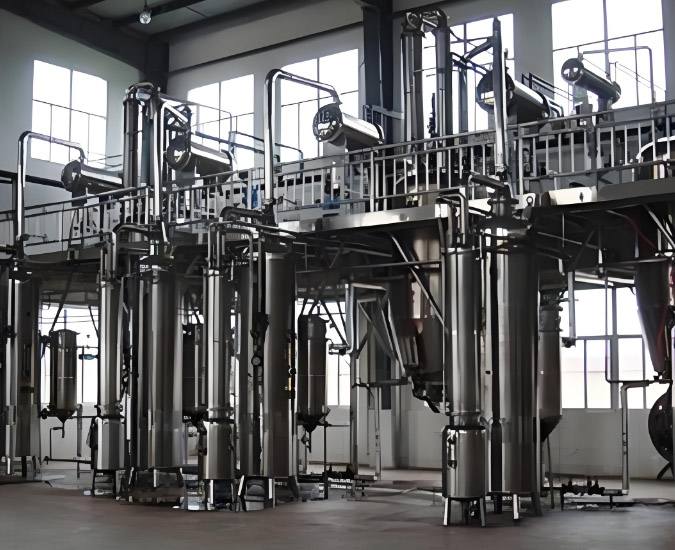
Currently, TRB operates three advanced production factories: one dedicated exclusively to herbal extracts, a specialized bee product facility, and a factory dedicated to high-purity animal extract products. Every facility is managed in strict alignment with international quality standards, maintaining a robust list of certifications including GMP, ISO, HACCP, ORGANIC, FDA, HALAL, and KOSHER Certificates.
In recent years, TRB has focused on the research and development of Nootropics, Brain Health Herb Extracts, Anti-Aging Herb Extracts, and Longevity Herb Extracts, receiving exceptional feedback from international partners across North America, the European Union, and Asia.

How global enterprises integrate China-sourced Olive Leaf Extract into their market-leading formulations.
Oleuropein-rich formulations are widely integrated into dietary supplements targeting hypertension and cardiovascular wellness. The ingredient acts as a natural ACE (angiotensin-converting enzyme) inhibitor and prevents LDL cholesterol oxidation. China factories supply micronized forms that improve compressibility in tablets and dissolution rates in hard-shell gelatin or veggie capsules.
Thanks to elenolic acid derivatives, OLE serves as a potent antiviral and antibacterial agent. It is extensively formulated into cold and flu tablets, respiratory defense sprays, and digestive wellness formulations designed to inhibit pathogenic bacterial growth while preserving healthy gut flora.
Aligned with the growing global trend of longevity science, Hydroxytyrosol from Olive Leaf is combined with Nootropics (like Alpha GPC, Rhodiola, and Bacopa) to optimize cognitive performance. Its ability to cross the blood-brain barrier allows it to protect astrocytes and neurons against beta-amyloid accumulation and oxidative stress.
For anti-aging skincare, Olive Leaf Extract is a natural alternative to synthetic antioxidants. Formulated into serums, sunscreens, and skin repair creams, it neutralizes UV-induced free radicals, reduces hyperpigmentation, and prevents the glycation process that causes premature wrinkles.
With global regulations cracking down on synthetic chemical preservatives (like BHA and BHT), high-purity Olive Leaf Extract is used as a bio-preservative in premium meats, oils, and functional beverages. It extends shelf life naturally while maintaining clean-label compliance.
Integrated into veterinary science, OLE serves as a natural antibiotic replacement in livestock feeds. It boosts the immune systems of poultry, swine, and aquaculture without leaving antibiotic residues in the human food chain.
Navigating technical standards, testing protocols, and documentation for global import.
For international procurement teams, the primary challenge of sourcing plant extracts from overseas is ensuring strict regulatory compliance and batch uniformity. In cooperation with TRB, we outline the exact parameters that global buyers must verify before signing a supply contract:
Adulteration of raw botanical material is a persistent challenge in the global herbal trade. Top manufacturers utilize High-Performance Thin-Layer Chromatography (HPTLC) and DNA barcoding to authenticate the species (Olea europaea L.) before the leaves enter the processing plant. This ensures that no inferior leaf species are introduced, preserving the natural therapeutic ratio of polyphenols.
To comply with both European Pharmacopoeia (EP) standards and US FDA regulations, extracts must undergo testing via Inductively Coupled Plasma Mass Spectrometry (ICP-MS) and Gas Chromatography-Mass Spectrometry (GC-MS). Heavy metals must strictly fall within target limits: Lead (Pb) < 3.0 ppm, Arsenic (As) < 1.0 ppm, Cadmium (Cd) < 0.5 ppm, and Mercury (Hg) < 0.1 ppm. Pesticide residue tests must show zero traces, complying with Regulation (EC) No 396/2005.
TRB employs clean-water and food-grade ethanol solvent systems. Residual solvents are monitored using Headspace Gas Chromatography (HS-GC) to guarantee that ethanol residue is well below the USP Guideline <467> limit of 5,000 ppm, with zero traces of harmful solvents like methanol or acetone.
Expert technical answers addressing common B2B sourcing challenges for Olive Leaf Extract.
Connect with our technical support and commercial sales teams to discuss specifications, request free verification samples, or plan your next custom extraction batch.


Provide your required specifications, target volume (kg/tons), and compliance certifications to receive a detailed quote within 12 hours.