Premium biological extracts manufactured under strict GMP compliance, ready for international supply and formulation.
Nanjing Tong Rui Bio-Tech Co., Ltd. (TRB) is a leading global manufacturer and exporter of herbal extracts and their derivatives with over 20 years of experience. As a technology-driven enterprise, TRB seamlessly integrates scientific research, industrial-scale production, and global B2B distribution.
Our comprehensive catalog spans high-grade Herbal Extracts, Sweeteners, Nootropics, Fruit & Vegetable Juice powders, Essential Oils, and Bee Products. Our relentless drive for quality and sustainable supply chains has earned us the prestigious "Global Biotechnology and Life Sciences Award" - "Best Global Herbal Extract Provider 2026".
TRB manages three specialized manufacturing facilities: a phytochemical extraction plant, a bee products facility, and an animal-derived extract factory. All operations run under strict compliance with global certifications including GMP, ISO, HACCP, ORGANIC, FDA, HALAL, and KOSHER.

Docosahexaenoic Acid (DHA), a crucial omega-3 polyunsaturated fatty acid (PUFA) characterized by its 22-carbon chain and six cis-double bonds, represents a foundational molecule in human physiology. Structurally concentrated within the human cerebral cortex, retina, and myocardial tissues, DHA plays a decisive role in cell membrane fluidity, receptor function, and cellular signaling pathways. In the global B2B marketplace, DHA has transitioned from a niche nutritional supplement into an indispensable functional ingredient across infant formula, clinical therapeutics, animal nutrition, and fortified food formulations.
Historically derived almost exclusively from cold-water marine wild fisheries, the commercial supply chain of DHA has faced significant ecological and regulatory hurdles. Marine fish oils, while rich in eicosapentaenoic acid (EPA) and DHA, present persistent challenges: susceptibility to bioaccumulation of heavy metals (e.g., methylmercury, lead), microplastics, polychlorinated biphenyls (PCBs), and fluctuations in yield driven by climate events like El Niño. These variables impact price stability and supply continuity.
The rise of algal-derived DHA (specifically cultivated from microalgae species such as Schizochytrium sp., Ulkenia, and Crypthecodinium cohnii) has fundamentally transformed the industrial landscape. Algal DHA offers a highly sustainable, controlled, vegan-friendly, and contaminants-free alternative, satisfying the stringent safety requirements of infant milk formulas and vegan-centric dietary supplements.
According to current market intelligence, the global DHA market size is projected to exceed USD 6.5 billion by 2030, exhibiting a compound annual growth rate (CAGR) of over 7.5%. This growth is driven by the expansion of premium infant nutritional guidelines in the Asia-Pacific region, escalating consumer interest in geriatric cognitive health, and the rapid inclusion of DHA in aquaculture feed to decrease reliance on wild forage fish harvesting.
China has established itself as the global epicenter for the mass production and purification of Docosahexaenoic Acid. This leadership is particularly evident in the microalgae fermentation sector, where Chinese industrial infrastructure combines scale, supply chain integration, and technological superiority to achieve unprecedented efficiencies.
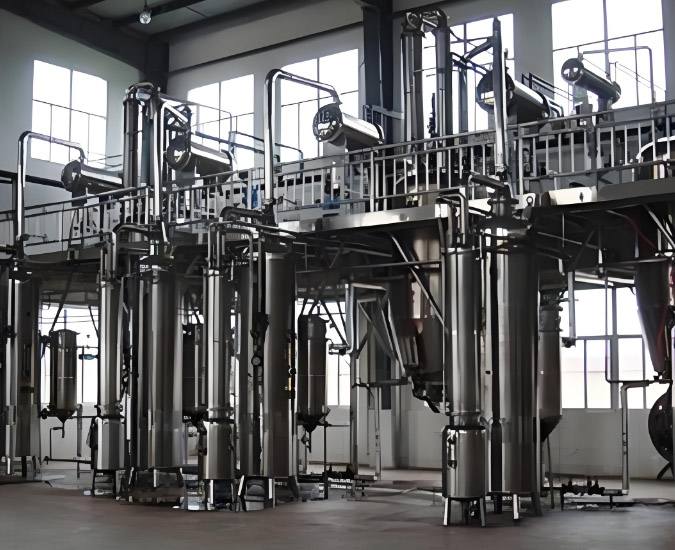
Chinese manufacturers utilize state-of-the-art closed-system photobioreactors and massive industrial fermenters (ranging from 100,000L to 300,000L capacities). These computer-controlled systems optimize carbon feeding profiles, oxygen transfer rates, and temperature shifts in real-time, achieving cell densities and lipid accumulation levels that maximize yield per batch.
By positioning modern manufacturing bases near localized agricultural zones and raw material suppliers, Chinese plants significantly lower the carbon footprint of production. Fermentation substrates, such as starch hydrolysates or organic acids, are sourced locally, creating a circular bio-economy that reduces transport emissions and raw material costs.
Leveraging advanced molecular distillation, supercritical fluid extraction (SFE-CO2), and multi-layer microencapsulation technologies, Chinese facilities produce DHA oils and powders with exceptional stability. This prevents the oxidation of delicate polyunsaturated bonds, ensuring an extended shelf-life and neutral sensory profile.
Due to raw material accessibility, optimized production pipelines, and highly integrated logistics hubs, China-based suppliers offer highly competitive pricing structures without compromising on E-E-A-T credentials or regulatory standards like Halal, Kosher, GMP, or FSSC 22000.
The application of DHA is highly specialized and requires distinct physical states and concentrations depending on the final carrier medium. B2B buyers must evaluate which variant best serves their formulation needs:
DHA is mandated or heavily recommended in infant formulas worldwide (e.g., EU regulation 2016/127 requires 20–50 mg of DHA/100 kcal). Due to the fragile digestive systems of infants, developers mandate the use of microencapsulated DHA Powder. Microencapsulation protects the oil droplets with a matrix of proteins or starches, hiding taste, neutralizing odors, and preventing rancidity. This allows smooth blending with dry milk powder bases.
For adult, maternal, and pediatric nutraceuticals, DHA is typically delivered via liquid-fill softgels or functional gummies. High-potency DHA Algal Oil (35% to 50% purity) is the standard here. Standardized formulations often combine DHA with eicosapentaenoic acid (EPA), astaxanthin, or lutein to target synergistic health benefits such as visual acuity and cardiovascular function.
Pharmaceutical applications require ultra-pure DHA concentrations (up to 90% and higher) to treat hypertriglyceridemia and support post-myocardial recovery. These active pharmaceutical ingredients (APIs) are manufactured through rigorous high-vacuum fractional distillation processes, removing all trace impurities and saturated fats to deliver concentrated therapeutics.
| DHA Form | Common Concentration | Primary Industrial Application | Key Performance Attribute |
|---|---|---|---|
| Algal DHA Oil | 35% - 50% | Softgels, Liquid Supplements, Functional Oils | High bioavailability, low color, vegetarian status |
| Algal DHA Powder | 10% - 20% | Infant Formula, Milk Powder, Tableting, Sachets | Superior flowability, high thermal stability, zero odor leakage |
| Fish Source DHA Oil | 10% - 50% | Traditional Softgels, Animal Feed, Aquaculture | Cost-effective source, synergistic EPA natural ratios |
| Microencapsulated Cold-Water Soluble | 10% | Instant Beverages, Functional Foods, Nutritional Bars | Rapid dispersion in cold liquids, neutral organoleptic profile |
The global DHA market is undergoing a structural transition driven by sustainability mandates and technological progress. Several notable shifts are currently reshaping B2B sourcing requirements:
At Nanjing Tong Rui Bio-Tech (TRB), quality control is integrated into every phase of our manufacturing cycle. Our testing laboratories utilize advanced High-Performance Liquid Chromatography (HPLC), Gas Chromatography-Mass Spectrometry (GC-MS), and Atomic Absorption Spectroscopy (AAS) to verify purity and potency, and screen for contaminants in every batch.
Our commitment to natural raw material research allows us to offer ingredients with high bioavailability and excellent organoleptic performance. Whether you require microencapsulated DHA powder for dry infant formulas or premium oils for dietary softgels, TRB delivers products that consistently meet and exceed expectations.
Supported by a comprehensive global logistics network, we export to more than 60 countries and regions, providing reliable custom packaging, documentation, and technical support to our global partners.

Get professional technical insights regarding quality metrics, shelf-life stabilization, global compliance, and raw material procurement parameters.
Explore our full line of botanical extracts, active compounds, and specialty powders manufactured to global pharmaceutical standards.


Pioneer Bio-Park, No 127 North Road Xishan Bridge, Yu Hua Tai District, Nanjing, China 210012
86-25-52863298
86-13770771528
 86-25-52867040