Standardized botanical active ingredients engineered for maximum bioavailability and therapeutic efficacy in Uzbekistan's pharmaceutical markets.
Chronic inflammation is increasingly recognized as the underlying pathophysiology of numerous systemic diseases, including cardiovascular disorders, metabolic syndromes, arthritis, and neurodegenerative conditions. As global consumer demand shifts away from synthetic non-steroidal anti-inflammatory drugs (NSAIDs) due to their associated gastrointestinal and cardiovascular side effects, the market for natural, plant-derived anti-inflammatory agents has experienced unprecedented growth. Standardized herbal extracts rich in bioactives such as polyphenols, flavonoids, saponins, and alkaloids are now at the forefront of preventive medicine and therapeutic formulations.
Globally, the market for anti-inflammatory herbal extracts is projected to grow at a compound annual growth rate (CAGR) of over 7.5% through the next decade. This growth is driven by advancements in extraction technology, which allow manufacturers to isolate specific molecular fractions with high precision, ensuring batch-to-batch consistency and verifiable efficacy. In regions like North America and the European Union, strict regulatory frameworks mandate the standardization of active markers, pushing suppliers to adopt sophisticated analytical methods such as High-Performance Liquid Chromatography (HPLC) and Gas Chromatography-Mass Spectrometry (GC-MS).
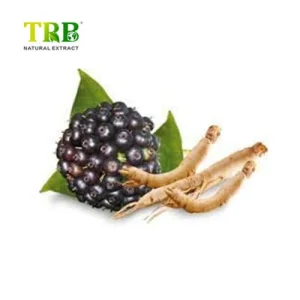
Information Gain Insight: The efficacy of anti-inflammatory herb extracts is not merely dependent on the raw botanical mass, but on the precise concentration of active secondary metabolites (e.g., silymarin in Milk Thistle, chicoric acid in Echinacea, and eleutherosides in Siberian Ginseng) that modulate key inflammatory pathways such as NF-kB and COX-2.
Uzbekistan, situated at the heart of the historic Silk Road, possesses a unique geographical and climatic profile that fosters a rich diversity of medicinal flora. The country's arid and semi-arid zones, combined with fertile river valleys and high-altitude mountainous regions like the Tien Shan and Pamir-Alay ranges, create an ideal environment for the synthesis of secondary metabolites in wild plants. Traditionally, Uzbekistan has been a major exporter of raw medicinal herbs, most notably licorice root (Glycyrrhiza glabra), which is globally renowned for its high glycyrrhizin content.
In recent years, the government of Uzbekistan has initiated a strategic transition from exporting raw agricultural commodities to developing high-value, locally processed pharmaceutical and nutraceutical ingredients. This industrial shift is supported by state decrees aimed at establishing local pharmaceutical clusters and attracting foreign direct investment. However, a primary bottleneck remains: the local capacity for high-tech, GMP-compliant extraction of pure active compounds is still in its developmental phase. Consequently, partnerships between Uzbek pharmaceutical manufacturers and advanced global extraction hubs, particularly in China, have become essential to bridge the gap between raw botanical resources and standardized, clinical-grade extracts.
High-purity biomolecules and structural compounds designed to synergize with anti-inflammatory herbal extracts for comprehensive therapeutic outcomes.
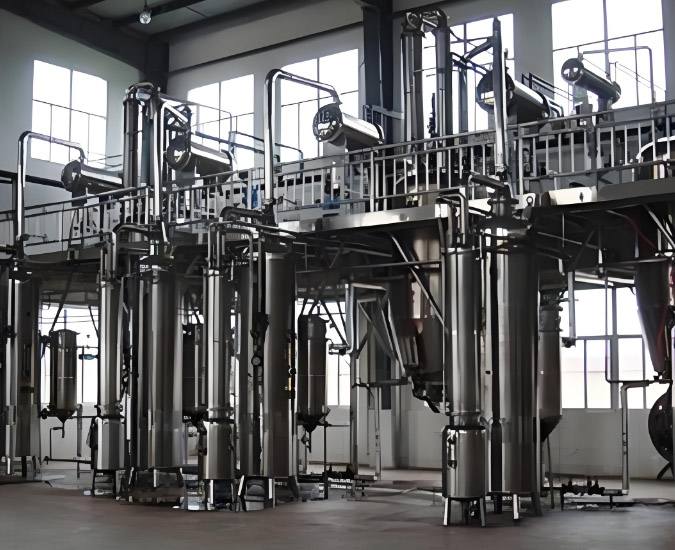
China has established itself as the global powerhouse for herbal extraction, characterized by massive economies of scale, advanced technological infrastructure, and rigorous compliance with international quality standards. Chinese extraction facilities utilize state-of-the-art technologies such as continuous countercurrent extraction, supercritical fluid extraction (SFE-CO2), membrane separation, and column chromatography. These technologies allow for the extraction of highly purified active ingredients while minimizing solvent residue and thermal degradation of sensitive bioactive molecules.
For B2B buyers in Uzbekistan, sourcing directly from a leading Chinese manufacturer like Nanjing Tong Rui Bio-Tech Co., Ltd. (TRB) offers significant competitive advantages. TRB combines over 20 years of R&D and manufacturing expertise with a robust supply chain that can seamlessly import raw materials from Central Asia, process them to international standards, and re-export the finished extracts back to Uzbekistan or global markets. This synergy ensures that Uzbek pharmaceutical, cosmetic, and food companies receive ingredients that meet the strict requirements of GMP, ISO, HACCP, Organic, FDA, Halal, and Kosher certifications.
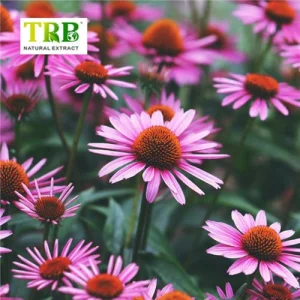
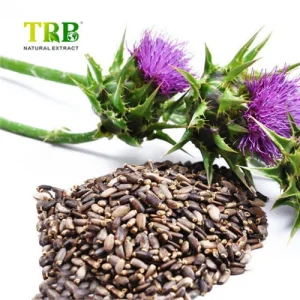
When procuring anti-inflammatory herb extracts for industrial applications, standardization is the key parameter that determines therapeutic efficacy. Unlike crude plant powders, standardized extracts guarantee a specific percentage of active chemical markers. For instance, Echinacea Purpurea Extract is standardized to contain specific concentrations of polyphenols or chicoric acid, which are responsible for its immunomodulatory and anti-inflammatory properties. Similarly, Milk Thistle Extract must be standardized to silymarin (typically 80% by UV or USP standards) to ensure hepatoprotective and antioxidant activity.
Furthermore, the bioavailability of these extracts is a critical focus of modern formulation science. Many highly potent anti-inflammatory compounds, such as curcuminoids or silymarin, exhibit poor water solubility and low systemic absorption. Advanced manufacturers address this by offering micronized powders, liposomal delivery systems, or self-emulsifying drug delivery systems (SEDDS). By optimizing the physical properties of the extract, such as particle size distribution and solubility, formulation scientists in Uzbekistan can develop products with faster onset times and lower dosage requirements.
Nanjing Tong Rui Bio-Tech Co., Ltd. (TRB) is a leading China-based manufacturer and exporter of premium herbal extracts and their derivatives, serving the global market for more than 20 years. As a technology-driven enterprise, TRB integrates research and development, state-of-the-art production, and international sales operations.
Our comprehensive product portfolio includes Herbal Extracts, Natural Sweeteners, Nootropics, Vegetable & Fruit Juice Powders, Essential Oils, and Bee Products. In recognition of our rapid development and dedication to quality, TRB was honored with the 2026 Global Biotechnology and Life Sciences Award as the "Best Global Herbal Extract Provider 2026".
TRB currently operates three specialized manufacturing facilities: a dedicated herbal extract factory, a bee product facility, and an animal-derived extract processing plant. Our operations are backed by a comprehensive suite of international certifications, including GMP, ISO, HACCP, ORGANIC, FDA, HALAL, and KOSHER.
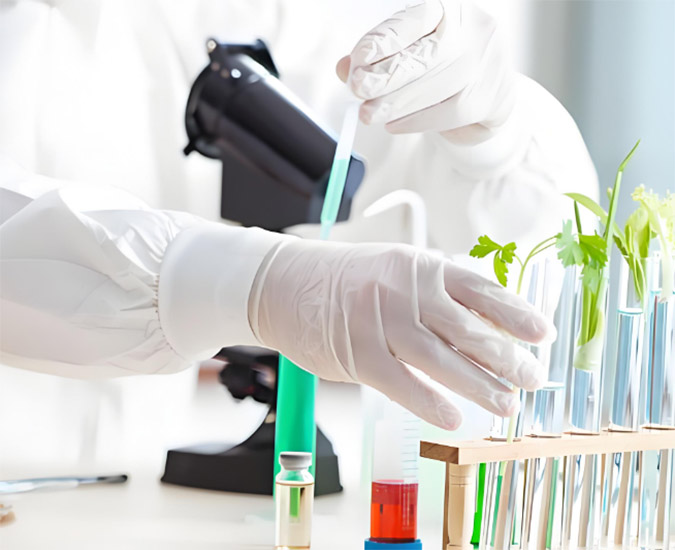
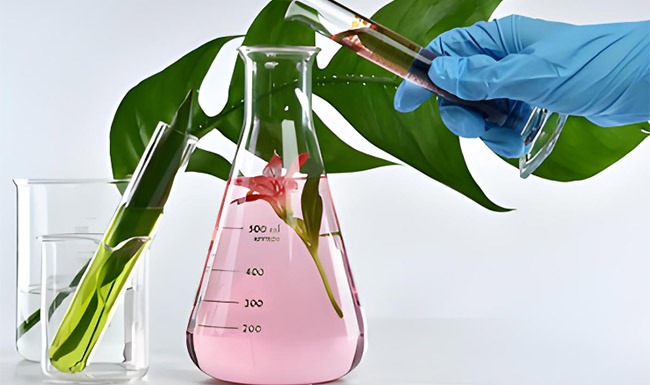
The integration of standardized anti-inflammatory herb extracts in Uzbekistan spans several key industrial sectors:
In the post-pandemic era, supply chain resilience has become a top priority for B2B procurement managers. Buyers are moving away from single-source dependencies and are seeking partners who can guarantee raw material traceability, consistent quality, and reliable logistics. TRB's established logistics network enables seamless delivery of active ingredients to Uzbekistan via optimized overland rail routes (the New Silk Road corridor) and air freight, ensuring minimal lead times and reduced transport risks.
Explore our diverse range of high-performance natural extracts and specialized biochemicals for pharmaceutical and industrial formulations.
TRB products are exported to more than 60 countries and regions worldwide, earning an outstanding reputation for reliability, quality, and technical support. We are committed to the continuous research and development of pure natural plant extracts, dedicated to enhancing the health of all humanity.
In recent years, TRB has focused heavily on the research and development of Nootropics and healthy aging products. Our specialized lines, including Brain Health Herb Extracts, Anti-Aging Herb Extracts, and Longevity Herb Extracts, have received exceptional feedback from global pharmaceutical and nutraceutical clients.
Technical and commercial answers for procurement managers and formulation scientists sourcing anti-inflammatory extracts.
Fax: 86-25-52867040