A comprehensive, whitepaper-level analysis of biochemical properties, sourcing parameters, extraction technologies, and global regulatory compliance for high-purity Lupeol.
Lupeol (Lup-20(29)-en-3β-ol) is a pharmacologically active pentacyclic triterpenoid. Structurally characterized by an organic core of five connected rings with a terminal double bond, it belongs to the lupan group. While present across diverse flora—including the bark of white birch (Betula pendula), lupin seeds, mangoes, and dandelion roots—commercial-scale extraction demands high-yielding raw inputs and targeted purification procedures to assure consistency for clinical and cosmetic formulations.
Molecular Formula: C30H50O • Molecular Weight: 426.72 g/mol • CAS Registry Number: 545-47-1 • Active Assay (Typical): ≥ 98.0% HPLC-DAD.
From a bio-functional perspective, Lupeol exhibits a broad therapeutic profile. It serves as an anti-inflammatory agent through its modulation of the NF-κB, AKT, and STAT3 signaling pathways. In dermal applications, it acts as a cell-repair promoter, stimulating Type I collagen production and inhibiting matrix metalloproteinases (MMPs) that break down skin architecture. For systemic health formulations, it demonstrates anti-oxidative properties that reduce lipid peroxidation, rendering it a key candidate for targeted wellness and functional food applications.

Industrial procurement of Lupeol requires precise specification verification. Bulk buyers must balance purity thresholds with solvent residue and microbial profiles. Below is the technical specification matrix adhered to by top-tier suppliers like Nanjing Tong Rui Bio-Tech (TRB):
| Analytical Parameter | Standard Range / Specification Limit | Verification Methodology |
|---|---|---|
| Assay Purity (Lupeol) | ≥ 98.0% (Pharma & High-End Cosmetic Grade) | HPLC-DAD / GC-MS Verification |
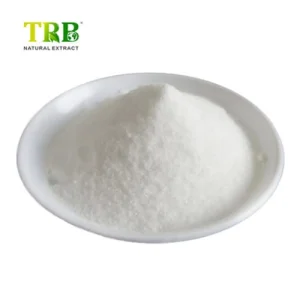
| Physical Appearance | Off-white to pure white crystalline powder | Organoleptic / Visual Inspection |
| Loss on Drying | ≤ 1.0% | Gravimetric analysis (105°C, 3 hours) |
| Heavy Metal Residue | Total Heavy Metals ≤ 10 ppm; Pb ≤ 1 ppm; As ≤ 0.5 ppm | Inductively Coupled Plasma Mass Spectrometry (ICP-MS) |
| Solvent Residues | Ethanol ≤ 5000 ppm; Hexane ≤ 290 ppm (USP <467>) | Headspace Gas Chromatography (HS-GC-FID) |
| Microbial Load | Total Plate Count ≤ 1,000 CFU/g; Yeast & Mold ≤ 100 CFU/g | USP <61> and <62> Microbial Limit Tests |
For global sourcing managers, the main challenge is verifying the botanical source of Lupeol. Synthetic or semi-synthetic variants are common, but clean-label, plant-derived products remain the standard for clean cosmetics and dietary supplements. Sourcing from certified manufacturing plants ensures full trace-back documentation from raw plant harvesting to the final packed output.
China is a leading hub for herbal extraction due to its raw materials access, infrastructure integration, and extraction technology. Chinese facilities leverage regional biodiversity and processing capabilities to offer a consistent, high-yield supply of Lupeol.
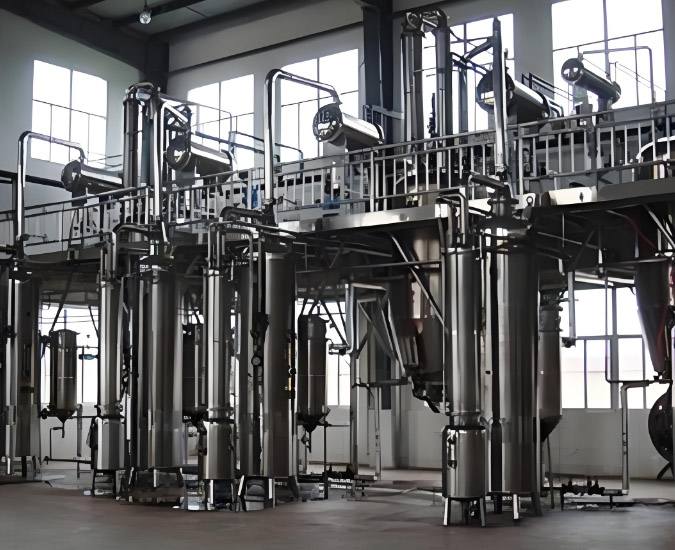
Leading manufacturers like Nanjing Tong Rui Bio-Tech Co., Ltd. (TRB) utilize advanced extraction methods. Transitioning from traditional solvent percolation to supercritical CO2 fluid extraction combined with multi-stage column chromatography allows for targeted separation of the pentacyclic triterpene fraction. This process minimizes thermal degradation, avoids hazardous organic solvents, and yields high concentrations of the target compound.
By co-locating raw material preprocessing units close to cultivation sites and maintaining centralized refinement facilities in industrial parks, TRB minimizes transportation latency and maintains chain-of-custody documentation. The result is a steady supply chain capable of scaling from pilot-scale test batches to multi-ton commercial quantities.
Entering markets in North America, the European Union, and Asia-Pacific requires compliance with local regulatory frameworks. TRB supports importing enterprises by maintaining a comprehensive set of international certifications:
GMP, ISO 9001, ISO 22000, and HACCP certifications ensure strict quality control at every stage of the manufacturing process.
Certified Organic, Kosher, and Halal status enables access to functional food and dietary supplement markets worldwide.
FDA-registered facilities offering complete Technical dossiers: Certificate of Analysis (CoA), MSDS, Allergen Statements, and BSE/TSE-Free declarations.
To assist global procurement partners, TRB offers localized customs clearing assistance, double-layered vacuum packaging (fiber drums with heat-sealed PE inner liners), and split-shipment options. This ensures raw material stability is maintained during sea, air, or land transit.
Understanding how Lupeol is applied across industries helps sourcing teams match ingredient parameters to specific end-use needs:
In high-end cosmetics, Lupeol is used for its anti-wrinkle and skin-soothing properties. It stimulates collagen synthesis and downregulates inflammatory markers in keratinocytes. Key requirements include high solubility in cosmetic oil phases, low color impact, and minimal odor. Standard purity for this sector is typically ≥ 98.0% crystalline powder.
Pharmaceutical research focuses on Lupeol's role in cell cycle arrest and apoptosis pathways. Active Pharmaceutical Ingredient (API) grade Lupeol must meet strict requirements for solvent residues, heavy metals, and endotoxins, supported by full documentation.
Consumer interest in anti-aging, longevity, and cognitive wellness has increased demand for botanical-based supplements. Lupeol is integrated into these formulations for its neuroprotective and metabolic support properties, often combined with other herbal extracts to target multiple cellular pathways.

Technical, regulatory, and logistics answers for procurement managers and formulators.
Nanjing Tong Rui Bio-Tech Co., Ltd. (TRB) is a leading China-based manufacturer and exporter of botanical extracts and active ingredients, with over 20 years of industry experience. TRB integrates research and development, manufacturing, and international sales. Its portfolio includes herbal extracts, natural sweeteners, nootropics, fruit and vegetable powders, essential oils, and bee products.
In recognition of its focus on quality and innovation, TRB was awarded the 2026 Global Biotechnology and Life Sciences Award as the "Best Global Herbal Extract Provider 2026". The company operates three specialized production facilities (herbal extraction, bee products, and animal-derived extracts) certified under GMP, ISO, HACCP, Organic, FDA, Halal, and Kosher standards. TRB's products are exported to over 60 countries and regions worldwide.
Pioneer Bio-Park, No 127 North Road Xishan Bridge, Yu Hua Tai District, Nanjing, China 210012
Tel: +86-25-52863298 / +86-13770771528
Fax: +86-25-52867040


 +86-25-52867040