Explore our high-quality raw materials, plant extracts, and cognitive enhancers designed for global food, supplement, and bio-tech manufacturers.
Sulbutiamine (CAS No. 3286-46-2), chemically known as isobutyryl thiamine disulfide, is a lipophilic synthetic derivative of thiamine (vitamin B1). Developed originally in Japan to treat beriberi and chronic clinical asthenia, it represents a monumental breakthrough in neuro-pharmacokinetics.
Standard water-soluble thiamine is restricted by active transport systems at the intestinal barrier, showing low bioavailability in systemic circulation and minimal brain penetration. By dimerizing two modified thiamine molecules connected via a disulfide bridge and esterifying them with isobutyrate groups, the molecule becomes highly lipophilic. This chemical modification allows passive diffusion across lipid membranes, showing superior absorption rates in the digestive tract and rapid transport across the Blood-Brain Barrier (BBB) compared to standard vitamin B1.
Information Gain: Unlike standard thiamine, Sulbutiamine actively upgrades synaptic concentrations of thiamine triphosphate (TTP), promoting upregulation of cholinergic receptors in the prefrontal cortex and improving dopamine reception in the D1 receptor pathway.
How TRB maintains batch consistency, high yield, and green chemistry standards in bulk API synthesis.
The synthesis starts by reacting thiamine mononitrate or hydrochloride under alkaline conditions with isobutyric anhydride. The hydroxyl group of thiamine is esterified, converting it into O-isobutyrylthiamine. This process requires precise control of temperature (maintained between 15°C to 25°C) to prevent hydrolysis of the thiazolium ring.
Under alkaline conditions, the thiazolium ring of O-isobutyrylthiamine is cleaved to expose the free sulfhydryl group. An oxidizing agent, typically hydrogen peroxide or iodine, is added under controlled titration rates to oxidize and crosslink these free thiol groups, forming the covalent disulfide bridge that yields Sulbutiamine.
Crucial for API-grade batches. The raw reaction mixture is washed with food-grade organic solvents to remove residual reagents and catalysts. Recrystallization is carried out using ethanol-water mixtures. The resulting pure crystals undergo vacuum-drying below 45°C to preserve molecular integrity without degradation.
| Analytical Parameter | Specification Range | Typical Batch Result (TRB QA/QC) | Testing Methodology |
|---|---|---|---|
| Assay (dry basis) | 99.0% – 101.0% | 99.78% | HPLC (High Performance Liquid Chromatography) |
| Loss on Drying | ≤ 1.0% | 0.34% | USP <731> gravimetric analysis at 105°C |
| Residue on Ignition | ≤ 0.1% | 0.06% | USP <281> Muffle furnace ash test |
| Heavy Metals (Pb, As, Cd, Hg) | ≤ 10 ppm total | Passed (< 2 ppm Pb, < 1 ppm others) | ICP-MS (Inductively Coupled Plasma Mass Spec) |
| Residual Solvents (Ethanol) | ≤ 5000 ppm | < 500 ppm (Ethanol used only) | GC-HS (Gas Chromatography - Headspace) |
| Total Plate Count | ≤ 1000 cfu/g | < 100 cfu/g | USP <61> Microbiological examination |
Navigating challenges, lead times, regulatory documentation, and localized supply chain options for global supplement brands.
The demand for cognitive performance boosters has surged internationally, making Sulbutiamine a high-priority ingredient for nootropic blends, complex pre-workout formulas, and energy products. However, purchasers face several procurement risks:
TRB provides tailored services to match your commercial production timelines:
With regional shipping hubs in North America and Western Europe, we handle shipping and customs clearance, keeping inventory ready for local dispatch.
Standard packaging is 25kg double-PE bags in fiber drums. Custom packaging (1kg, 5kg bags, or nitrogen-flushed packages) is available for contract manufacturers.
Exploring future modifications and advanced delivery systems for Sulbutiamine and other active compounds.
By loading Sulbutiamine into phospholipid liposomes, we can bypass digestion challenges and protect the disulfide bond, optimizing cellular uptake in gastrointestinal tracts.
Our research and development team is refining air-jet milling technology to supply D50 < 5μm particles. This improves blending uniformity in multi-ingredient tablet press machines.
Developing crystalline structures that pair Sulbutiamine with synergistic adaptogens (such as Phosphatidylserine or L-Theanine) to create stable, high-performance cognitive raw materials.
Your Trusted Partner in High-Quality Botanical Extracts & Nootropic Raw Materials
Nanjing Tong Rui Bio-Tech Co., Ltd. (TRB) is a leading China-based manufacturer and exporter of herbal extracts and chemical derivatives, with over 20 years of experience.
Combining research and development, manufacturing, and global sales, TRB produces high-grade herbal extracts, sweeteners, nootropics, fruit and vegetable juice powders, essential oils, and bee products.
Our dedication to high-quality ingredients, clean extraction methods, and precise synthetic processes earned us the "Best Global Herbal Extract Provider 2026" award at the Global Biotechnology and Life Sciences Awards.
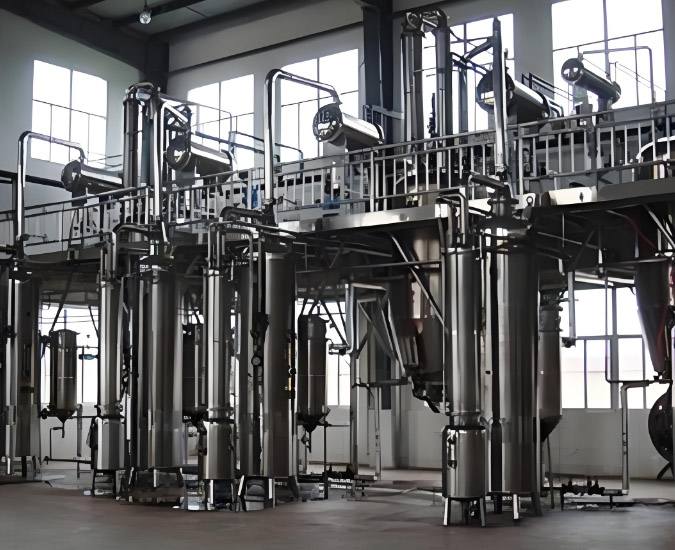

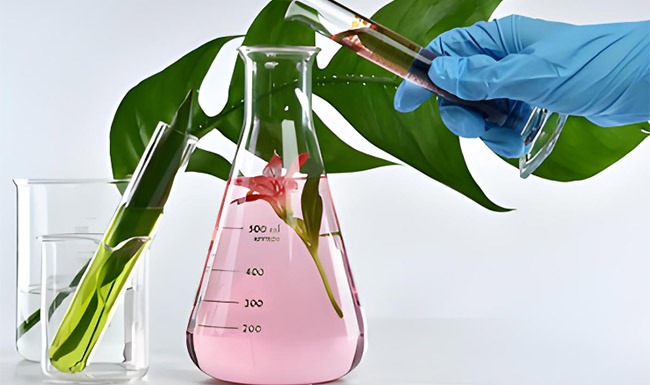
TRB operates three specialized production facilities: a dedicated botanical extraction facility, a bee products factory, and an animal extract production unit. All locations are fully certified under GMP, ISO, HACCP, ORGANIC, FDA, HALAL, and KOSHER systems, providing complete quality assurance for our global buyers.

Technical and purchasing details answered by our regulatory and chemistry experts.
Diversify your product lines with our premium, purity-verified natural extracts.
Request samples, custom pricing quotes, and access complete regulatory documentation.
Pioneer Bio-Park, No 127 North Road Xishan Bridge, Yu Hua Tai District, Nanjing, China 210012
86-25-52863298
86-13770771528
86-25-52867040
Response within 24 Hours