Explore our top-tier, certified plant extracts optimized for global pharmaceutical, nutraceutical, and food manufacturing industries.
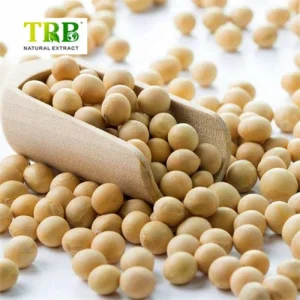
The shift toward plant-based nutrition has evolved from a niche dietary preference to a global economic transformation. As manufacturers and supply chain managers look to replace animal-based proteins and chemical fillers, pea powder has emerged as the definitive ingredient choice. Harvested from the nutrient-rich *Pisum sativum*, pea powder offers high protein density, exceptional amino acid profiling, and unparalleled hypoallergenic attributes.
For international business procurement directors, finding a reliable China Pea Powder Supplier & Suppliers is key to maintaining supply chain continuity. As global consumer demand for vegan isolates, low-FODMAP dietary formulations, and zero-allergen protein powders escalates, manufacturers must partner with production facilities capable of scaling output while maintaining rigid, international grade-standards.
B2B buyers face challenges when sourcing pea powder globally. These issues include batch-to-batch protein solubility variations, heavy metal management, organoleptic profiles (neutralizing the typical "beany" taste), and navigating regulatory changes. This guide provides the analytical depth needed for purchasing departments to evaluate, verify, and secure pea powder from China's top processing centers.
China has built a robust agricultural and botanical processing infrastructure. When evaluating pea powder manufacturers, the efficiency of the supply chain, advanced technology, and raw material access play a crucial role in procurement.
Chinese processing plants are strategically located close to yellow pea cultivation hubs in northern regions and global deepwater ports. This proximity reduces overland transport times and optimizes global shipping freight rates.
Top factories use dry fractionation and membrane-filtration wet extraction techniques. This chemical-free approach preserves the delicate globulin and albumin protein matrices without introducing unwanted chemical residues.
Leading suppliers maintain certifications like GMP, ISO, HACCP, ORGANIC, FDA, HALAL, and KOSHER. This ensures smooth customs clearance and regulatory alignment across North America, Europe, and Asia-Pacific markets.
By utilizing optimized thermal drying and ultra-fine pulverization technologies, Chinese manufacturers consistently produce pea powder with uniform particle sizes, high dispersibility, and improved sensory qualities. This technical precision is essential for formulating foods and beverages where mouthfeel and suspension properties are critical.
For developers and raw material purchasers, it is essential to distinguish between the various grades of pea powder available. Sourcing parameters can vary depending on whether the application requires a starch binder, a fiber-rich compound, or a high-purity protein isolate.
| Pea Powder Grade Type | Protein Concentration (Dry Basis) | Moisture Content | Primary Industrial Applications | Key Functional Attributes |
|---|---|---|---|---|
| Pea Protein Isolate (PPI) | ≥ 80.0% – 85.0% | ≤ 8.0% | Sports Nutrition, Meal Replacement Shakes, Meat Analogues | High emulsification, superior water binding capacity, neutral aroma profile. |
| Pea Protein Concentrate (PPC) | 50.0% – 65.0% | ≤ 9.0% | Baking formulations, snack foods, dry-blend nutritional bars | Good solubility, cost-efficient protein fortification, starch balance. |
| Pea Fiber Powder | ≤ 10.0% (Fiber ≥ 75%) | ≤ 10.0% | High-fiber functional diets, dietary supplements, pet kibbles | Promotes gastrointestinal motility, excellent swelling capacity. |
| Organic Pea Powder | ≥ 80.0% | ≤ 7.5% | EU & USDA Organic Foods, infant formula bases | Zero pesticide residues, non-GMO, clean label verification. |
Quality control at the extraction stage involves managing heavy metal profiles (specifically Lead, Arsenic, Cadmium, and Mercury) to meet strict limits (e.g., California Proposition 65 requirements). Modern production sites incorporate ICP-MS (Inductively Coupled Plasma Mass Spectrometry) testing into their workflow to verify safety parameters prior to container dispatch.
A Leading Manufacturer and Exporter of Natural Ingredients for Over 20 Years
Nanjing Tong Rui Bio-Tech Co., Ltd. (TRB) is a technology-based company that combines research and development, production, and international sales. For over 20 years, TRB has developed high-purity botanical and functional ingredients.
TRB's product line includes Herbal Extracts, Sweeteners, Nootropics, Vegetable & Fruit Juice Powders, Essential Oils, and Bee Products. Our growth and service in the extraction industry earned us the 2026 Global Biotechnology and Life Sciences Award as the ''Best Global Herbal Extract Provider 2026''.
TRB operates three factories specializing in herbal extracts, bee products, and animal-derived active ingredients. These operations maintain certifications including GMP, ISO, HACCP, ORGANIC, FDA, HALAL, and KOSHER.
In recent years, TRB has expanded its research and development into Nootropics, focusing on Brain Health, Anti-Aging, and Longevity Herb Extracts to meet evolving customer needs.
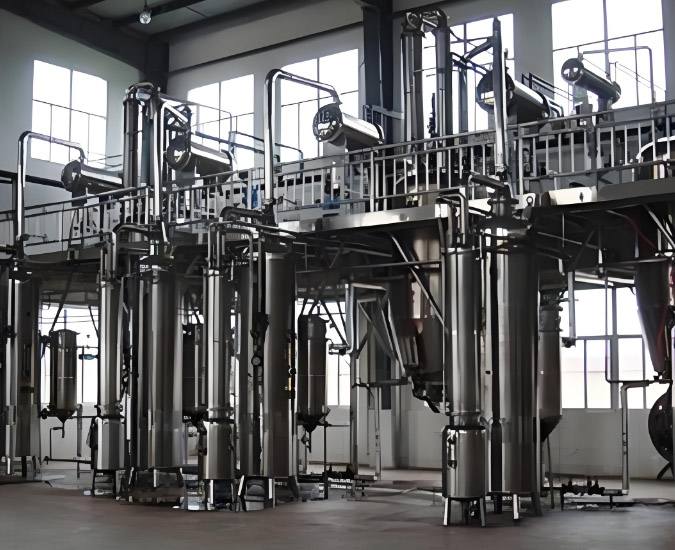
TRB products are exported to more than 60 countries and regions. We are committed to developing pure, natural plant extracts to support human health worldwide.
By leveraging advanced extraction technologies and high-capacity spray drying systems, we maintain physical and chemical consistency across production runs, supporting international sourcing standards.
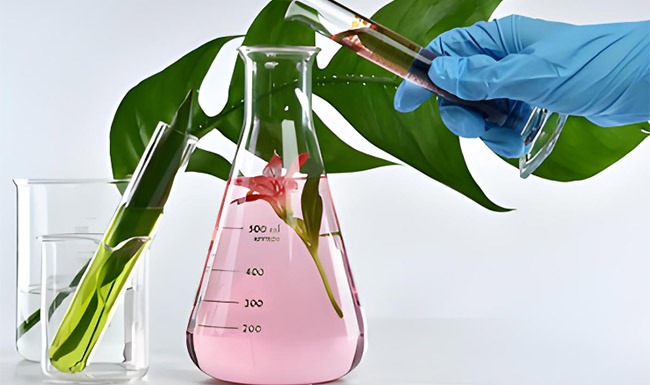
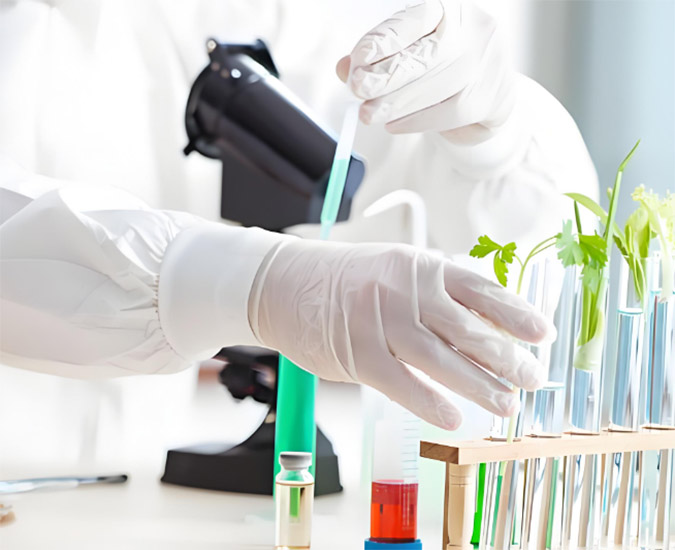
Our manufacturing facilities are built around quality assurance protocols. From raw material intake to final packaging, every step is monitored to prevent cross-contamination.
Our production lines accommodate both large-scale commercial contracts and custom manufacturing requests, ensuring flexible service for global buyers.

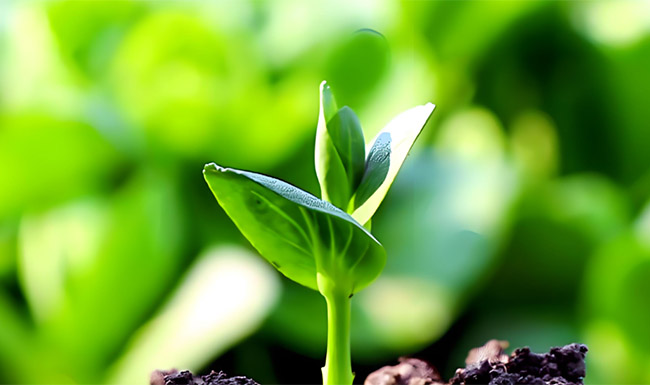
Pea powder's versatile physical properties make it useful across multiple industries. Its emulsifying and stabilizing capabilities, combined with a balanced nutritional profile, support several primary application scenarios:
Used as a clean-label stabilizer and protein enhancer in dairy-free milks, plant-based cheeses, yogurts, and gluten-free baked goods.
Serves as a hypoallergenic protein source in vegan supplements, meal-replacement shakes, and health-focused beverage blends.
Its high water-binding and fat-absorption capacities support texture development in plant-based burger patties and sausages.
Provides a digestible, grain-free protein option for premium dog and cat food formulations, satisfying clean-ingredient goals.
By selecting appropriate particle size distributions (mesh size) and protein purity ratios, developers can optimize taste, texture, and stability across these applications.
The pea processing sector is adopting new methodologies to address consumer expectations and regulatory standards.
The traditional "beany" notes in pea protein are a common formulation challenge. Modern extraction plants employ thermal treatments and enzymatic hydrolysis to neutralize off-flavors, allowing manufacturers to reduce sugar and flavoring usage in their final products.
International buyers increasingly require full supply chain visibility. Forward-looking suppliers document their processes from non-GMO seed selection to final dry packaging, ensuring compliance with global environmental and safety standards.
Pea protein isolates are naturally free from the oligosaccharides that cause digestive discomfort. This characteristics positions pea-based ingredients well in the growing digestive health market.
Expert answers to technical, regulatory, and logistics questions for plant protein buyers.
High-purity amino acids, health powders, and standardized botanical derivatives.
Nanjing Tong Rui Bio-Tech Co., Ltd. (TRB)
Pioneer Bio-Park, No 127 North Road Xishan Bridge, Yu Hua Tai District, Nanjing, China 210012
Phone: 86-25-52863298 / 86-13770771528
Fax: 86-25-52867040
Email: [email protected] / [email protected]