Buying Beef Bone Marrow Powder can feel simple until you compare labels, processing methods, and laboratory reports. A bright package may show a healthy-looking cow, but packaging cannot prove quality. The real questions involve sourcing, safety testing, nutrient preservation, and honest serving information.
Dr. Josh Axe, a natural medicine physician and nutrition author, has described bone broth as “one of the most nutrient-dense foods on the planet.” That idea deserves careful thought. Beef Bone Marrow Powder may provide protein, fat, minerals, or collagen-related compounds, but its profile depends on the raw material and manufacturing process. It is not automatically superior because it costs more. It is not a replacement for a varied diet.
This guide, “7 Tips for Buying Beef Bone Marrow Powder,” focuses on practical buying decisions. Check whether the label names the cattle source and processing location. Look for independent testing, a clear certificate of analysis, and batch or lot information. Review the ingredient list carefully. Some powders contain salt, flavors, starches, or added sweeteners. A plain formula is often easier to evaluate.
Read the serving size.
Also inspect the container. It should be sealed, dry, and free from clumps, leaks, or unusual odors. Consider storage instructions, allergen statements, and return policies. Results can vary between brands, and some marketing claims remain poorly supported. That uncertainty matters. Ask a qualified healthcare professional before regular use, especially with allergies, pregnancy, kidney concerns, or a medically restricted diet.
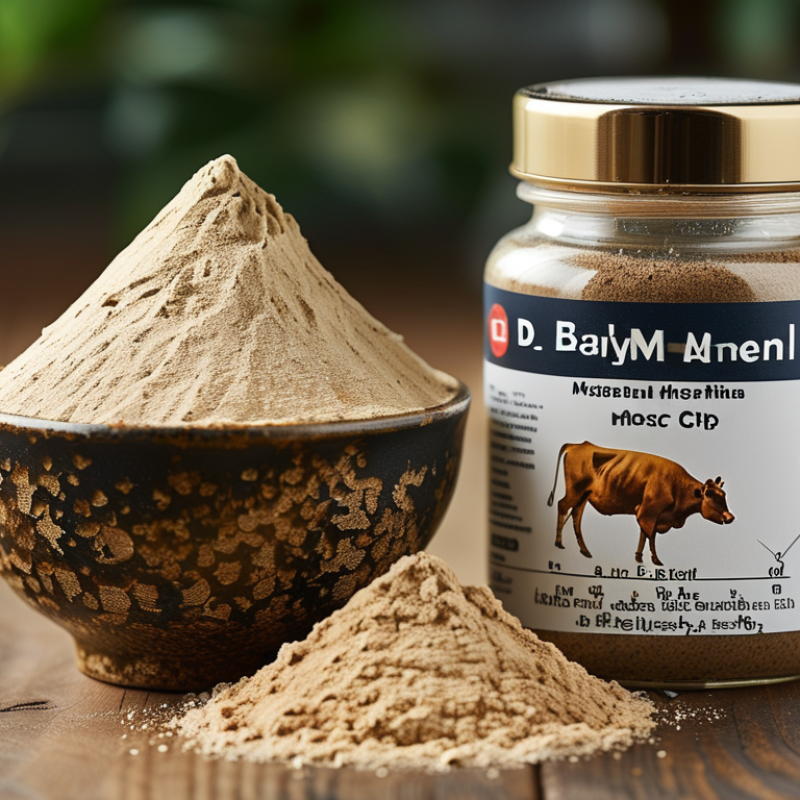
Tip 1: Confirm the product identity before comparing prices. “Beef bone marrow powder” should clearly state whether it contains only dried beef marrow. Check the ingredient list, not just the front label. A transparent product should identify the animal source, processing method, and net weight. I have found that vague wording creates unnecessary doubt.
Pure marrow is not the same as a blend. Some powders include collagen, bone broth, minerals, or flavoring ingredients. These additions may suit certain preferences, but they change the product’s identity. Read the percentage breakdown carefully. If the label says “marrow blend,” ask what proportion is actual marrow. Small print matters.
Tip 2: Compare serving sizes honestly. One container may suggest one scoop, while another uses two tablespoons. The larger scoop can make a product appear more concentrated. Record the grams per serving, then compare containers using total servings. It takes a minute.
Tip 3: Look for reliable quality information. Batch testing, clear storage instructions, allergen statements, and traceable sourcing support informed buying. “Natural” sounds reassuring, but it explains little. I would also check the powder’s color, smell, and texture after opening. These details are useful, though they are not proof of quality. Serving guidance should remain practical, especially when the product is new to your routine.
| Tip | What to Check | Product Identity and Realistic Interpretation | Serving-Size Information | How to Use This Information When Buying |
|---|---|---|---|---|
| 1 | Read the ingredient list first |
100% Beef Bone Marrow The ingredient list should identify beef marrow or beef bone marrow as the only ingredient if the product is presented as a pure powder. |
Confirm that the serving amount refers to the powder itself, not only to a capsule, scoop, or finished blend. | Choose a single-ingredient formula when you want the clearest product identity and the easiest comparison between products. |
| 2 | Distinguish marrow from bone or collagen products | Bone broth powder, hydrolyzed collagen, gelatin, and calcium-rich bone ingredients are different product categories. They should not automatically be described as beef marrow. | Compare the grams per serving and the number of servings per container rather than relying only on the front-label product name. | Look for a specific ingredient declaration that identifies marrow. Treat broad terms such as “beef complex” as insufficient unless the components are listed. |
| 3 | Identify blends and their proportions | A blend may combine marrow with organ meats, bone broth, collagen, herbs, oils, vitamins, or minerals. The finished product is not equivalent to 100% marrow. | Check whether the label provides the amount of each major ingredient per serving. A total blend weight does not reveal the amount of marrow alone. | Select a blend only when its additional ingredients match your intended use and the label clearly explains the formula. |
| 4 | Compare the actual serving size | Powder products may use different scoop sizes, so one scoop is not a standardized measurement across products. | Record three figures: grams per serving, servings per container, and total net weight. These values allow a fair comparison. | Compare products by cost per gram or cost per stated serving, not by package size or scoop count alone. |
| 5 | Check nutrition and allergen details | Beef marrow products can vary in fat, calories, and protein depending on processing and formulation. A pure marrow powder is not automatically nutritionally identical to a lean beef powder. | Review calories, total fat, saturated fat, protein, sodium, and carbohydrate values per serving where provided. | Match the nutrition panel to your dietary needs. Be especially careful with added sodium, dairy ingredients, or other declared allergens in blended formulas. |
| 6 | Verify processing and storage instructions | Drying methods can affect texture, solubility, flavor, and storage requirements. The label should state how the product is stored after opening. | Use the manufacturer’s stated serving guidance and do not assume that a larger scoop is appropriate for everyone. | Prefer clear instructions covering temperature, moisture protection, shelf life, and whether refrigeration is required after opening. |
| 7 | Look for testing and traceability information | Batch or lot identification, a best-before date, and accessible quality documentation help establish product traceability. Testing claims should specify what was tested. | A certificate or test summary should correspond to the product lot when available; it does not replace the serving information on the label. | Check for transparent documentation about identity, microbiological safety, heavy metals, and allergens. Avoid treating vague phrases such as “premium quality” as proof of testing. |
include?
Compare results using the same basis, such as “as is” or dry matter. Moisture can change the numbers significantly.
High moisture may dilute nutrients and reduce shelf stability. Check the moisture percentage carefully. A dry powder should not feel damp.
They should appear reasonably consistent with the reported protein and fat. Fat provides about nine calories per gram. Protein provides about four.
Ash shows total mineral residue after testing. It does not identify individual minerals. Higher ash is not automatically better.
Request separate pathogen and heavy-metal results for the specific production lot. Check Salmonella, Listeria, lead, cadmium, arsenic, and mercury. “Not detected” should include the sample size and method.
Prefer a laboratory accredited to ISO/IEC 17025. Validated AOAC or ISO methods provide stronger evidence. Still, mistakes happen.
Choose sealed, opaque, airtight packaging with a batch number and production date. Store the powder away from steam and humidity. Use a clean, dry spoon after opening.
Divide the total price by net weight, then multiply by 100. A cheaper bag may contain more moisture. I sometimes focus too much on price.
Mild color variation can occur between batches. A sour smell or persistent clumping deserves attention. A clean-looking COA is not enough.
When choosing Beef Bone Marrow Powder, begin by confirming exactly what the product contains. Check whether it is made from 100% beef marrow or combined with other ingredients, and review the serving size to understand how much you are actually purchasing. Reliable sourcing is also important, so look for USDA-inspected production, clearly stated origin information, and batch traceability that allows the product to be connected to its manufacturing records.
A quality comparison should include the certificate of analysis (COA), with attention to protein, fat, moisture, calories, and ash values. Safety records should show pathogen and heavy-metal testing conducted with recognized AOAC or ISO methods. Finally, evaluate the drying process, packaging protection, storage requirements, and stated shelf life. Comparing the cost per 100 grams can reveal the product’s real value more accurately than judging by package price alone. Together, these checks help you select a consistent, transparent, and suitable Beef Bone Marrow Powder.
