Sourcing Luteolin Powder internationally requires more than comparing prices and attractive product pages. Global buyers need suppliers that can demonstrate consistent quality, transparent manufacturing, and dependable export experience. A trustworthy partner should provide a clear specification sheet, recent certificates of analysis, and batch-level testing results. HPLC data matters. So does traceability.
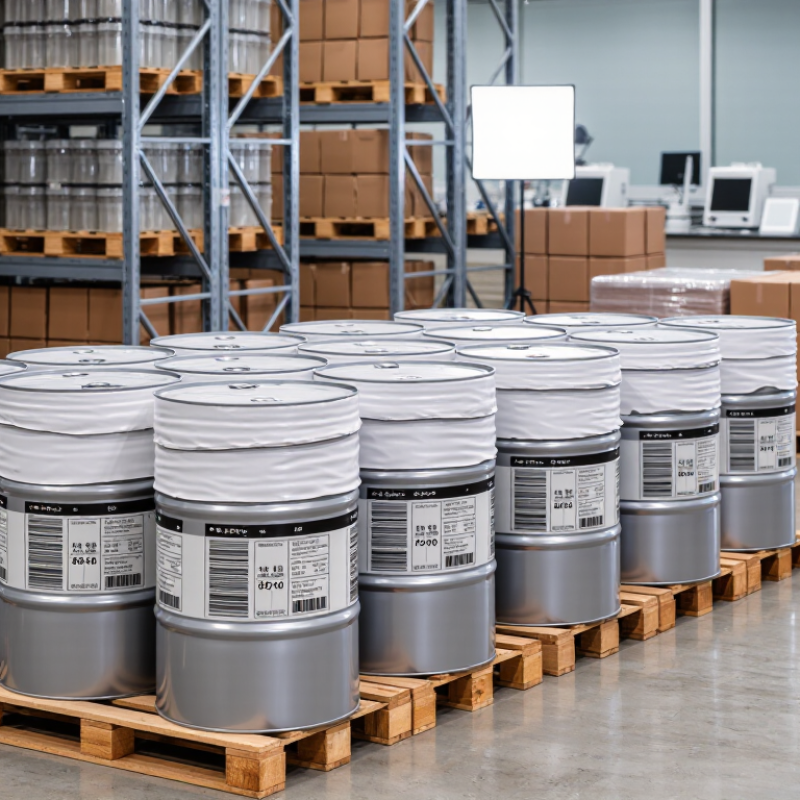
The strongest suppliers usually explain their raw material sources, extraction methods, and quality controls in practical detail. Look for documented GMP systems, controlled storage, and packaging that protects the powder from moisture, heat, and light. A well-labeled 25-kilogram drum should show the batch number, production date, retest date, and storage instructions. These details help purchasing teams review products with greater confidence.
However, a polished website proves little. Supplier claims still require independent verification, especially when buyers operate across different regulatory markets. Request samples, compare laboratory results, and confirm whether the stated purity matches the tested material. Check communication speed, documentation accuracy, minimum order quantities, and shipping records. Small gaps can become expensive delays.
No supplier is perfect. Even experienced exporters may face seasonal raw material changes or transit problems. The better question is how clearly they disclose risks and correct mistakes. This guide reviews leading Luteolin Powder suppliers through quality evidence, technical expertise, production capacity, compliance practices, and customer support. Its purpose is not to promote the loudest company, but to help global buyers make a careful, evidence-based decision.
Luteolin powder is a fine botanical ingredient containing luteolin, a naturally occurring flavonoid. It is found in plants such as celery, parsley, peppers, and certain herbs. Commercial powder may come from plant extraction or purified processing. Its color can range from pale yellow to yellow-brown.
Researchers study luteolin for antioxidant and anti-inflammatory activity. These effects may help explain its interest in dietary supplements, functional foods, and laboratory research. However, laboratory findings do not automatically prove human health benefits. The evidence remains developing. Claims about disease treatment require careful scientific and regulatory review. It is easy to overstate this ingredient.
For global buyers, product identity matters. A reliable supplier should provide a certificate of analysis, batch details, purity data, and microbial testing. Heavy metal and residual solvent reports are also useful. Buyers should check the botanical source, extraction method, particle size, and storage conditions. A clean, dry, light-protected package can help preserve quality. Color alone is not proof of purity. In practice, independent testing may reveal differences between batches. Clear documentation is essential. Suppliers should also support compliant labeling for the destination market.
| Evaluation Dimension | Typical Data or Specification | What Global Buyers Should Verify | Buyer Relevance |
|---|---|---|---|
| Ingredient Definition | Luteolin is a naturally occurring flavone, a subclass of flavonoid polyphenols. | Confirm that the supplied material is identified as luteolin rather than a general botanical extract containing luteolin. | Product identity |
| Chemical Identity | CAS No. 491-70-3; molecular formula C15H10O6; relative molecular mass approximately 286.24 g/mol. | Compare the certificate of analysis with an accepted reference standard and the declared chemical specification. | Technical accuracy |
| Natural Occurrence | Reported in foods and medicinal plants including celery, parsley, green peppers, chamomile, and perilla. | Ask whether the powder is isolated luteolin, a plant extract standardized to luteolin, or a blended ingredient. | Source transparency |
| Common Powder Forms | Fine yellow to yellow-green powder; appearance may vary with purity, particle size, processing, and formulation aids. | Define acceptable color, odor, mesh size, flowability, and whether carriers or excipients are permitted. | Production consistency |
| Solubility Profile | Luteolin has very limited solubility in water and is generally more compatible with selected organic solvents or specialized delivery systems. | Verify the intended solvent system, dispersibility, pH conditions, and whether encapsulation or another bioavailability technology is required. | Formulation planning |
| Food and Beverage Applications | May be evaluated as a research ingredient or botanical polyphenol for functional-food and beverage formulations, subject to local regulations. | Check food-additive status, novel-food requirements, maximum use levels, labeling rules, and permitted claims in the destination market. | Regulatory fit |
| Dietary Supplement Applications | Used in research and commercial supplement concepts focused on plant-derived flavonoids and antioxidant-related formulations. | Confirm whether the material is suitable for capsules, tablets, powders, or liquid systems and request stability data for the finished format. | Product development |
| Cosmetic and Personal-Care Applications | May be assessed for skin-care formulations because of its polyphenol profile and ongoing research into antioxidant and inflammation-related activity. | Review cosmetic-ingredient registration, impurity limits, preservative compatibility, light sensitivity, and substantiation for any cosmetic claim. | Formulation safety |
| Research-Stage Benefits | Preclinical studies have investigated antioxidant, inflammation-related, antimicrobial, and cell-signaling effects. | Distinguish laboratory or animal findings from clinically established benefits; avoid treating research activity as proof of therapeutic efficacy. | Responsible claims |
| Identity Testing | High-performance liquid chromatography (HPLC), liquid chromatography–mass spectrometry (LC-MS), or comparable validated methods may be used. | Request chromatograms, reference-standard details, method validation information, and an identity result linked to the batch number. | Authenticity control |
| Assay and Purity | Purity is product-specific and should be stated as a defined percentage with a test method; no universal commercial grade should be assumed. | Set an agreed assay range, define related substances, and require batch-specific results rather than relying only on a product brochure. | Batch acceptance |
| Contaminant Controls | Depending on intended use, testing may include heavy metals, pesticides, residual solvents, microbial limits, and aflatoxins. | Match the testing panel to the destination country, application category, raw-material origin, and applicable pharmacopoeial or food standards. | Risk management |
| Manufacturing Documentation | Typical documents include a certificate of analysis, specification sheet, safety data sheet, batch records, and a traceability statement. | Verify document consistency, issue dates, lot numbers, authorized signatures, and the laboratory responsible for testing. | Supplier qualification |
| Quality-System Indicators | Buyers may prioritize documented GMP controls, HACCP-based systems, ISO-certified processes, or equivalent quality procedures. | Request current certificates, audit rights, deviation procedures, change-control policies, and complaint-handling records. | Supply reliability |
| Packaging and Storage | Light-, moisture-, oxygen-, and heat-sensitive polyphenol powders are commonly protected with sealed, food-contact-compatible packaging. | Confirm packaging material, nitrogen flushing if used, recommended temperature and humidity, retest period, and transport conditions. | Product stability |
| Global Purchasing Terms | Key commercial variables include minimum order quantity, lead time, sample availability, Incoterms, payment terms, and export documentation. | Compare suppliers using the same specification, delivery term, testing requirements, and destination-country compliance obligations. | Total landed cost |
Note: Specifications, regulatory status, permitted applications, and analytical requirements can vary by country and product category. Buyers should complete independent technical, safety, and regulatory verification before commercial use.
Luteolin powder is a fine botanical ingredient containing luteolin, a natural flavonoid. It may appear pale yellow or yellow-brown. Color alone proves little.
Luteolin occurs in celery, parsley, peppers, and some herbs. Commercial material may come from plant extraction or purified processing.
Researchers examine its antioxidant and anti-inflammatory activity. These findings may support interest in supplements, functional foods, and laboratory research. Human evidence is still developing.
Laboratory results do not automatically prove human health benefits. Disease-treatment claims require careful scientific and regulatory review. Overstatement remains a real risk.
Ask for a current certificate of analysis, batch details, purity data, and microbial results. Heavy metal and residual solvent reports add useful evidence. Traceable lot numbers matter.
Request a small sample first. Compare color, odor, particle size, and test results with the specification. Independent testing may reveal differences between batches.
Check whether production-site certifications match the destination market and actual manufacturing process. A certificate alone is not proof. Records need careful review.
Use moisture-resistant inner bags and sealed outer cartons. Store the powder in a clean, dry, light-protected environment. Small details matter during long transit.
Confirm labeling rules, permitted claims, import requirements, lead time, shelf life, and replacement terms. Also review the safety data sheet, invoice, packing list, and origin certificate. Clear communication can prevent expensive surprises.
Luteolin Powder is a naturally occurring flavonoid commonly used in dietary supplements, functional foods, cosmetics, and scientific research. Its growing popularity is linked to its antioxidant properties and potential role in supporting healthy cellular function. When evaluating suppliers worldwide, buyers should consider product purity, botanical source, manufacturing capacity, testing procedures, batch consistency, and technical support. A reliable supplier should provide clear specifications, certificates of analysis, traceability records, and transparent quality-control information.
Global sourcing also requires careful attention to certifications, packaging, shipping conditions, documentation, and import requirements in the destination market. Buyers should compare suppliers not only by price, but also by minimum order quantity, lead time, customization options, communication efficiency, and after-sales service. The most suitable partner is one that offers consistent Luteolin Powder quality, dependable delivery, reasonable pricing, and professional support while maintaining compliance with applicable international standards and regulations.
