Global buyers evaluating Nobiletin Powder need more than a polished product page. They need verifiable identity, consistent specifications, and clear evidence behind every quality claim. A supplier should be able to provide a recent certificate of analysis, explain its testing methods, and identify the botanical source and manufacturing location. Ask about particle size, assay method, packaging, batch traceability, and storage conditions. Details matter. A sealed sample jar, a legible lot number, and a matching laboratory report are more useful than broad promises.
Food chemist Dr. Chi-Tang Ho has researched citrus bioactive compounds, including polymethoxyflavones. A sourcing takeaway inspired by his research—not a direct quotation—is: “Reliable ingredient decisions begin with clear identity and evidence.” That distinction matters when comparing suppliers. Published research on an ingredient does not, by itself, verify a particular supplier’s powder, purity, or batch consistency.
This 2026 guide examines suppliers through practical, checkable criteria: documentation, quality controls, product transparency, communication, and export readiness. Buyers should compare like with like and request current, batch-specific records before placing an order. A low price can conceal gaps in testing or traceability. A well-organized supplier can answer precise questions without rushing the buyer. Use the shortlist as a starting point, not a substitute for independent verification. The best partner is the one whose evidence holds up under careful review.
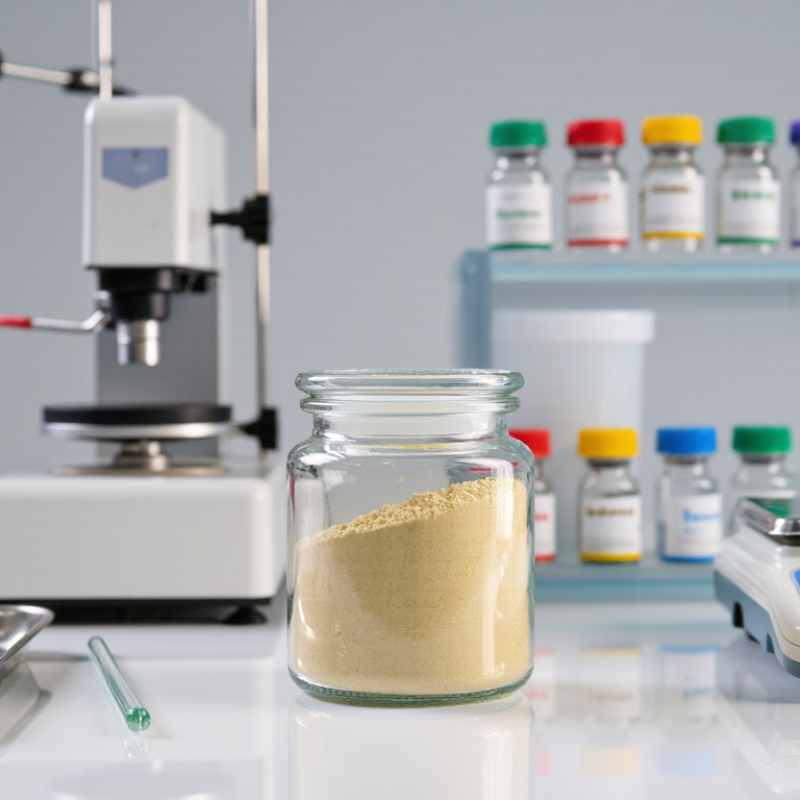
Nobiletin is a polymethoxylated flavone found in citrus peel, especially the outer rind of certain oranges and mandarins. Its pale yellow appearance and fine powder texture can vary with processing and particle size. It is not the same as whole citrus extract: a powder may contain isolated nobiletin or be blended with carriers. Check the specification sheet to understand what is actually being supplied. Details vary.
Nobiletin powder is commonly used in laboratory research and in the development of dietary supplements and functional food ingredients. Researchers study its chemical properties and biological activity, but early findings do not establish a health benefit for consumers. Product developers also need to account for its limited water solubility. A powder may disperse unevenly in a drink, leaving visible specks or settling at the bottom. That matters.
For global purchasing, request an identity test, assay, batch-specific certificate of analysis, and information on microbial quality and contaminants. Confirm the declared nobiletin content and whether carriers are present. Packaging should protect the powder from moisture and excess light during storage and transit. Supplier documents help, but they do not replace independent verification when the application requires tighter controls. Even a neat-looking sample can hide differences between batches.
Supplier categories below are a practical sourcing comparison, not a ranked list of companies. Nobiletin is a polymethoxyflavone found in citrus peel; product specifications and permitted uses vary by supplier, jurisdiction, and intended application.
| Supplier Type | Typical Product Offering | Key Buyer Checks | Common Application Areas | Documents to Request |
|---|---|---|---|---|
| Citrus-extract manufacturer | Nobiletin-containing citrus peel extract; nobiletin content depends on the raw material and extraction process. | Botanical species and plant part, extraction solvent, stated nobiletin assay, batch consistency, and residual-solvent limits. | Botanical ingredient development, research formulations, and ingredient blends where a characterized citrus extract is suitable. | Current certificate of analysis (CoA), specification sheet, safety data sheet (SDS), and extraction-process information. |
| Purified-ingredient producer | Isolated nobiletin powder with a supplier-declared purity or assay value. | Validated analytical method, reference standard, identity confirmation, impurity profile, and lot-specific assay results. | Analytical reference work, formulation research, and applications requiring a more clearly defined nobiletin content. | Lot-specific CoA, HPLC or equivalent assay details, identity data, impurity information, and storage guidance. |
| Specialty ingredient distributor | Resold citrus extracts or purified powder sourced from one or more manufacturers. | Traceability to the original producer, stock and lead-time status, repackaging practices, and change-control procedures. | Small-scale product development, laboratory evaluation, and procurement requiring consolidated ingredient sourcing. | Manufacturer-origin documentation, CoA for the supplied lot, SDS, country-of-origin details, and packaging information. |
| Custom extraction or formulation partner | Made-to-order extract, blended ingredient, or powder prepared to an agreed project specification. | Feasibility, minimum order quantity, process controls, target assay, particle-size needs, and scale-up terms. | Prototype development and application-specific formulations, subject to local regulatory review. | Written specification, sample results, process and quality overview, agreed testing plan, and change-control terms. |
| Research-chemical supplier | Small-quantity nobiletin material intended for laboratory or analytical research. | Research-use labeling, identity and purity evidence, suitable packaging, and restrictions on human or food use. | Laboratory studies, analytical method development, and non-clinical research. | Research-use statement, CoA, SDS, analytical method, and storage and handling instructions. |
It usually starts with citrus peel, which is dried and milled before extraction. The extract is filtered, concentrated, and sometimes further purified.
High-performance liquid chromatography can measure nobiletin and help compare batches. Ask for the test method and the result for the actual batch offered.
Look for the batch number, assay result, and test method. It should also report relevant checks, such as moisture, residual solvents, microbial quality, and heavy metals.
Not fully. Carriers, particle size, and storage conditions can affect handling and stability. A percentage alone leaves gaps.
Ask how the botanical material is identified and how it is traced from raw material to finished powder. Harvests can vary, so records matter.
Check its color, flow, and packaging against the written specification. Ask how the powder is protected from light and moisture during storage and shipping.
No. A certificate alone is not proof. Consider independent laboratory testing, especially before placing a large order.
Ask about batch-change procedures, complaint handling, and realistic lead times. Small specification differences are easy to miss, even with tidy paperwork. Worth a second look.
This guide introduces Nobiletin Powder, a citrus-derived ingredient used in areas such as dietary supplements, functional foods, and research-focused formulations. It explains how the powder is produced and standardized, including why extraction methods, active-compound levels, and batch consistency matter when assessing product quality. Buyers will also find practical criteria for evaluating suppliers, from manufacturing capabilities and quality-control procedures to traceability and clear technical documentation.
The article compares supplier regions, relevant certifications, and the records buyers may request, such as specifications, certificates of analysis, and testing information. It also outlines a careful approach to comparing offers in 2026: assess price alongside purity, consistency, communication, sample results, and the supplier’s ability to verify claims. These considerations can help global buyers make informed decisions and select a dependable source of Nobiletin Powder for their intended application.
